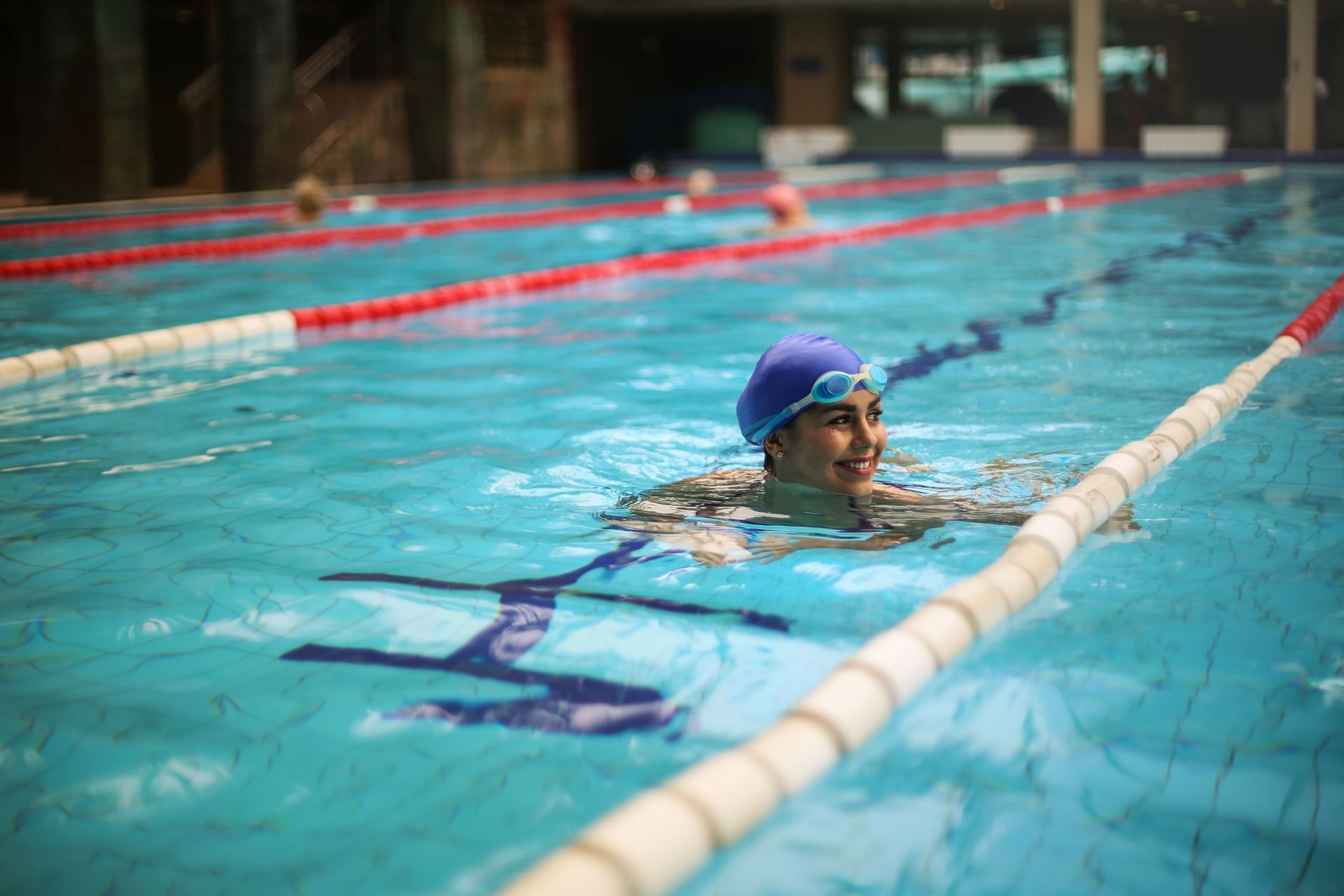
Is swimming worth the cost?
Swimming is one of the few children's activities with no season and no finish line. Netball ends in September and piano has grades, but swimming just keeps going, which makes it the hardest line on the family budget to justify. It is a fair question, and it deserves a straight answer.
What the fee is actually paying for
Some of it is obvious. A heated pool, a building, an instructor in the water with your child.
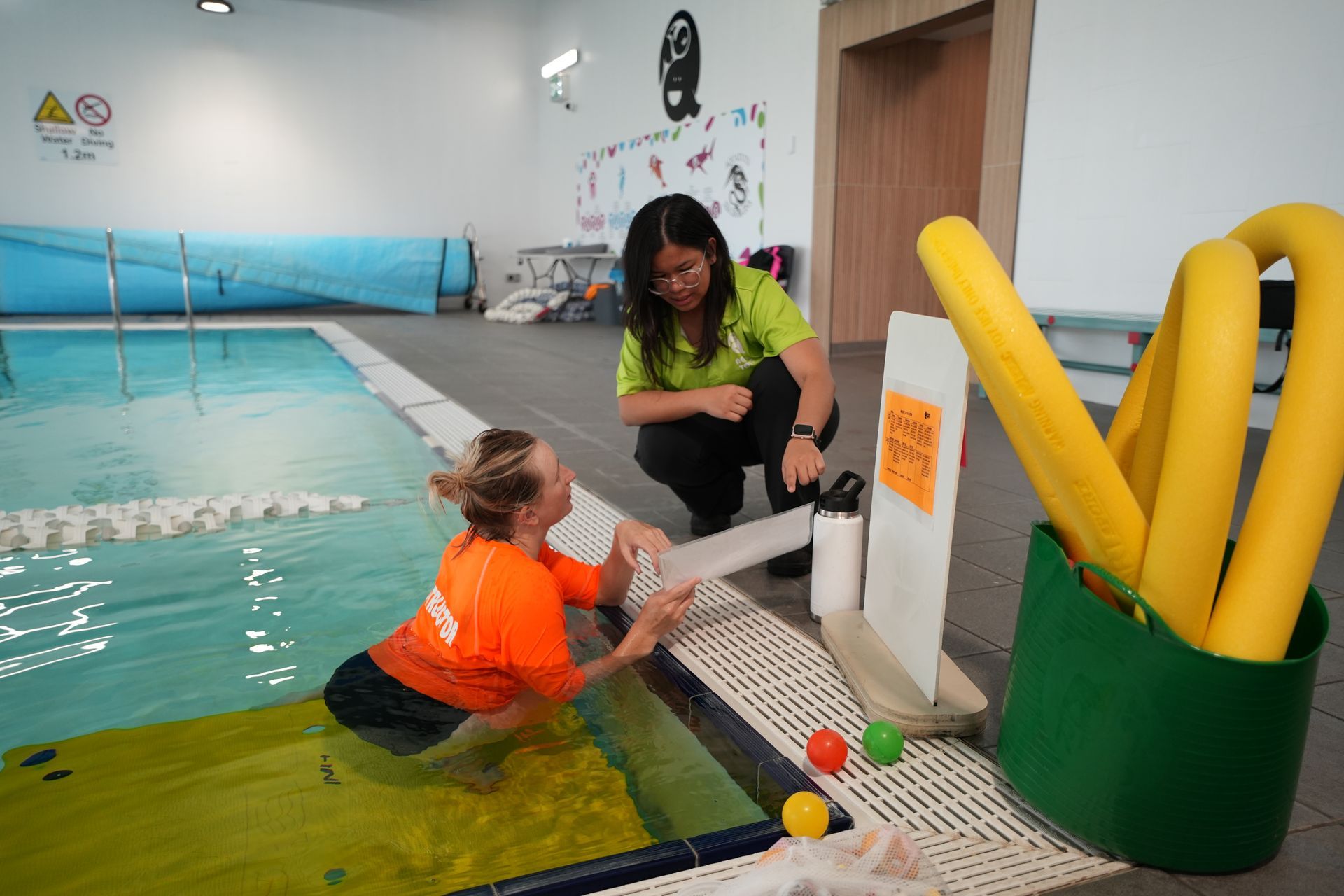
The part parents rarely see is what sits behind the instructor. A nationally recognised teaching qualification, internal training completed before a first lesson, annual CPR renewal, professional development every term, and a written lesson plan for every class.
That is the difference between a person who can swim and a person who can teach. It is also most of what you are paying for.
The two things that genuinely waste the money
This is where families lose value, and neither has anything to do with which school they chose.
The first is stopping and restarting. A term off is rarely a term off. Skills fade, confidence resets, and the first few lessons back are spent recovering ground you already paid for. Two consistent years cost less than four broken ones.
The second is missed lessons. Swimming is cumulative in a way most activities are not. Each skill sits on the one before it, so a patchy term does not deliver a patchy result. It often delivers no result at all.
The honest test of value
Here is the question that actually settles it. Is your child measurably closer to being safe in water than they were six months ago?
If yes, the money is working. If you cannot tell, that is worth raising before you cancel anything, because it might be a communication problem rather than a teaching one.
Any school should be able to tell you what your child could not do in February and can do now. If nobody can answer that, you have found the real issue.
Where swimming is different to every other activity
Most children's activities buy enjoyment, fitness and a skill they may keep. Swimming buys those things too.
It also buys the only one of them that stays useful whether or not your child ever plays a sport again. The ability to float, get to an edge and help someone else does not expire at fourteen when they quit the team.
That is not an argument for spending money you do not have. It is a reason to protect this line on the budget before others, if something has to go.
When lessons are not worth it right now
A school that cannot answer this question honestly is not worth trusting on the others.
If you cannot get to the pool most weeks this term, the money will not do what you want it to. Waiting for a term you can commit to is the better financial decision.
If your child is in a genuinely distressed patch, a short break can be the right call. Pushing through rarely speeds anything up and it can set confidence back further than the break would.
And if the fee means something essential goes without, do not enrol. Talk to us instead. There are usually options that do not involve paying full price for lessons you cannot sustain.
How to spend less without stopping
Ask what your school includes before you assume it does not. A few things are worth asking about specifically.
Multi-child arrangements, which reduce the per-child cost as siblings are added. Holiday programs, which some schools run at no charge. Free parent and adult sessions, which cost nothing and change how you supervise. Free CPR training, which is often available and rarely advertised.
None of that is a discount you have to negotiate. It is usually just a question nobody thought to ask.
What Aquatots does about cost
Aquatots reduces the per-child rate as siblings are added, and the fifth child in a family swims free. The holiday program runs free, with an attendance commitment attached so places do not go to waste.
Adult and parent lessons are free, as is the CPR course for parents. Aquatots also holds a number of free places for children in foster care, and takes part in Swim it Forward, a Swim Australia charity that funds lessons for families under financial pressure.
The information session covers programs, costs and policies in full, which is the fastest way to get current figures and sibling rates in one place.
The one thing worth doing before you decide
Do not cancel first and ask questions later. Ask what your child can do now that they could not do six months ago.
If the answer is clear, you have your value. If it is not, ask what would change. Our free
information session covers how progression works, what is included, and what the term structure looks like, so you can make the call with actual numbers in front of you.