Water Safety and Active Youth: Why Early Skills Matter
Summary: Water safety is a critical life skill for children in Australia, where water environments are part of everyday life. Early swimming lessons help children build confidence, breath control, and calm responses around water while developing essential survival skills. When early swim education is combined with active youth programs that promote responsibility and decision-making, children gain the physical ability and mindset needed to stay safe and confident around water throughout their lives.
Water safety for children isn't optional in Australia. It's a life skill.
From beaches and backyard pools to rivers and weekend gatherings, water surrounds Australian families every single day. Water safety for children should start long before a child's first pool party or school camp. Building water confidence early gives young people the tools they need to stay calm, stay aware, and enjoy everything our waterways have to offer safely.
At Aquatots, we see firsthand how early swimming lessons shape confident, capable kids. When combined with active youth programs from organisations like
PCYC NSW, these programs create a safety foundation that lasts well beyond childhood.
Water Safety for Children Starts Earlier Than You Think
Drowning remains one of the leading causes of preventable death among Australian children. While those numbers are confronting, they also point to a clear opportunity. Early exposure to water in a safe, supervised environment reduces fear and builds familiarity over time.
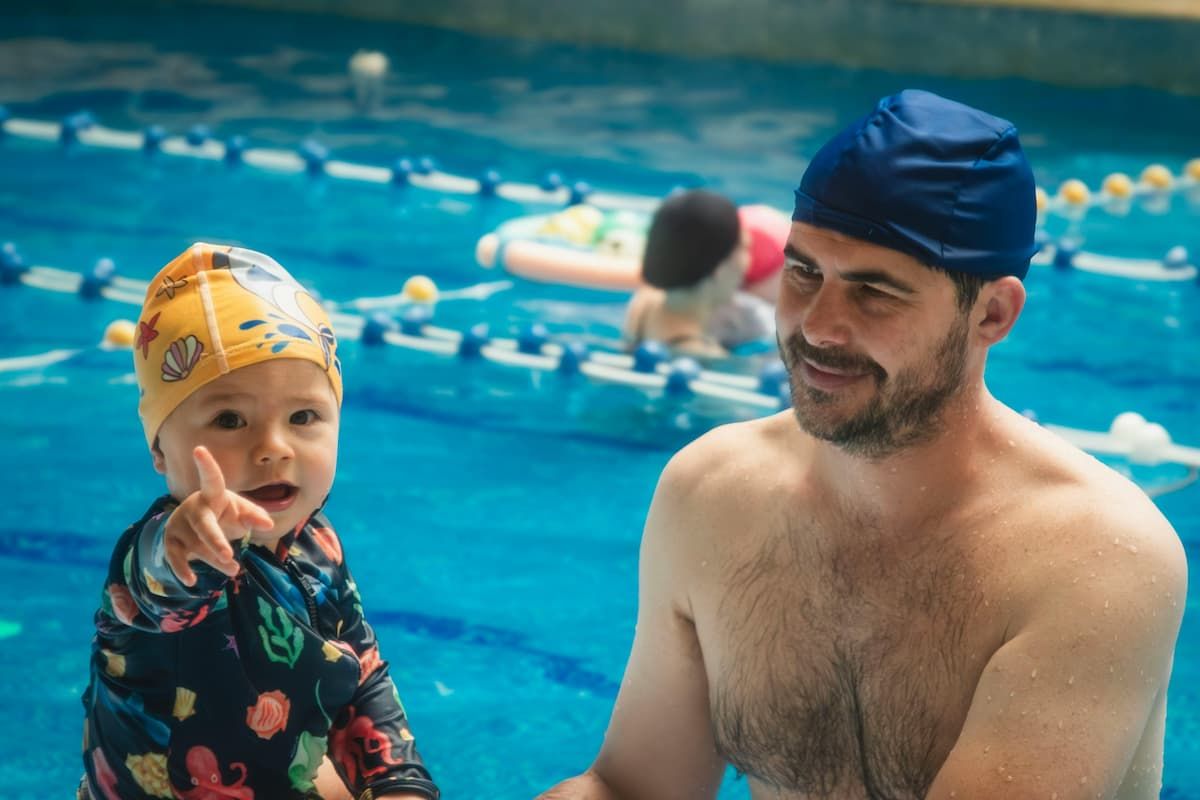
Children who begin learning water skills from as young as six weeks develop a natural comfort that older beginners often struggle to match. The earlier a child learns to float, kick, and breathe with control, the stronger their instinctive response becomes. These aren't just swimming skills. They're survival skills. And importantly, they're far easier to develop when a child's brain is still in its most adaptive stage.
Gentle, evidence-based swim programs introduce water safety for children through methods that prioritise emotional readiness alongside physical development. At Aquatots, we never rush a child's progress. We meet them where they are and build from there.
Beyond Survival: What Early Swimming Teaches
Swimming develops far more than the ability to move through water. It also builds awareness, risk assessment, composure under pressure, and physical endurance. A child who has learned to control their breathing in the pool is better equipped to stay calm during an unexpected moment near water.
These lessons carry real weight beyond the pool edge. Teaching water safety for children means helping young people read their environment, understand their own limits, and make decisions under stress. That kind of thinking doesn't come from a single safety talk. It comes from repeated, structured practice in a supportive setting where confidence grows before speed.
Learn to swim programs that embed safety into every session deliver stronger outcomes than those that treat it as an occasional add-on. Every lesson at Aquatots is built around this principle: safety first, skills second, confidence always.
Active Youth and Responsibility
Organisations like PCYC NSW build programs on the belief that active young people become responsible young people. Through sport, leadership training, and community engagement, children develop discipline, decision-making, and a genuine sense of accountability to those around them.
These qualities connect directly to preventive safety education. A young person who has learned to assess risk on a basketball court or follow instructions in a gymnastics class carries that same awareness to the beach, the river, or the backyard pool. Safety isn't a single skill. It's a mindset that grows through consistent participation in structured, supervised programs.
When active youth development and early swim education work together, children build both the physical capability and the mental framework they need to protect themselves.
The Link Between Confidence and Safety
Children who feel capable are far less likely to panic. That principle sits at the heart of both early swim education and community sport.
In the water, confidence shows up as breath control, emotional regulation, and self-trust. In community programs, it shows up as awareness, team responsibility, and the ability to act under pressure. Together, these experiences create young people who are safer, stronger, and more resilient overall.
Water safety for children improves significantly when confidence comes first. A child who trusts their own body in the water will respond to challenges rather than freeze. Similarly, a child who has practised making decisions in a team environment will recognise danger sooner and act with purpose.
This is why we focus so heavily on emotional readiness at Aquatots. A confident child is a safer child, in the pool and beyond.
Prevention Through Education
The most effective approach to water safety for children is ongoing, structured education rather than one-off lessons. Consistent programs in supervised environments build skills that stick. They also reinforce the habits and awareness that keep young people safe across every stage of their development.
Preventive safety education isn't about creating fear. It's about giving children the tools, the practice, and the confidence to navigate water safely throughout their lives. Early swimming lessons provide this foundation, and when paired with active youth programs, the benefits multiply across every area of a child's development.
Building Safer, Stronger Young People
Active, confident kids are safer kids. Early swimming lessons build the physical foundation. Active youth programs build character. Together, they give young Australians something far more valuable than any single skill. They build the judgment, the confidence, and the awareness to stay safe in and around water for life.
Water safety for children starts with a first splash and grows with every lesson, every program, and every community that chooses to invest in its young people.
If you’re ready to help your child build water confidence and lifelong safety skills, now is the perfect time to start.
Explore
Aquatots’ swim programs and enrol your child today to begin their journey toward safe, confident swimming.
Frequently Asked Questions
At what age should children start swimming lessons?
Children can begin water familiarisation from as early as six weeks of age. Early exposure in a gentle, supportive environment helps babies and toddlers develop comfort and confidence in the water before fear has a chance to develop.
How do early swimming lessons prevent drowning?
Early swimming lessons teach children essential survival skills like floating, controlled breathing, and calm responses to water. Research shows that formal swimming lessons are associated with significantly reduced drowning risk for children aged one to four.
What makes a good water safety program for children?
Look for programs that prioritise emotional readiness alongside physical skills, use gentle, evidence-based teaching methods, maintain small class sizes with qualified instructors, and build confidence progressively rather than rushing milestones.
How does active youth development support water safety?
Active youth programs teach risk assessment, decision-making under pressure, and responsibility. These skills transfer directly to water safety, helping young people recognise danger, make smart choices, and act calmly in challenging situations.
Should children continue swimming lessons after they learn basic skills?
Yes. Water safety for children is an ongoing journey, not a one-time achievement. Continued lessons reinforce skills, build endurance, and develop more advanced safety techniques that keep children safe as they encounter different water environments.
How can parents reinforce water safety at home?
Practice active supervision whenever children are near water, maintain consistent swimming lessons, discuss water safety rules regularly, model calm behaviour around water, and never leave children unattended near pools, baths, or other water sources.