Why Community Matters: Helping Kids Feel Seen, Supported, and Confident
Summary: The importance of community for kids starts long before the classroom. Every child needs more than lessons and skill-building to thrive. They also need to feel safe, supported, and included. Yet confidence does not come from pressure or performance. Instead, it grows from belonging.
When children feel connected, something shifts. They stand a little taller, try a little harder, and engage a little more. Research from Baumeister and Leary (1995) confirmed that belonging ranks alongside food and safety as a fundamental human need. For young children, this need shows up remarkably early. So what does this mean for families? It means the importance of community for kids shapes everything from self-esteem to emotional resilience.
Importance of Community for Kids in Everyday Settings
Community does not require a grand gesture or a large group. For children, community looks like familiar faces at a weekly activity, a trusted instructor who knows their name, and a space where they know what to expect.
Australia's Early Years Learning Framework,
Belonging, Being and Becoming, places belonging at the centre of early childhood development. Children who experience strong connections develop a stronger sense of identity. This is why consistent, relationship-rich environments carry so much weight. They give children a place where they are known, not just taught.
How Swimming Classes Build Belonging
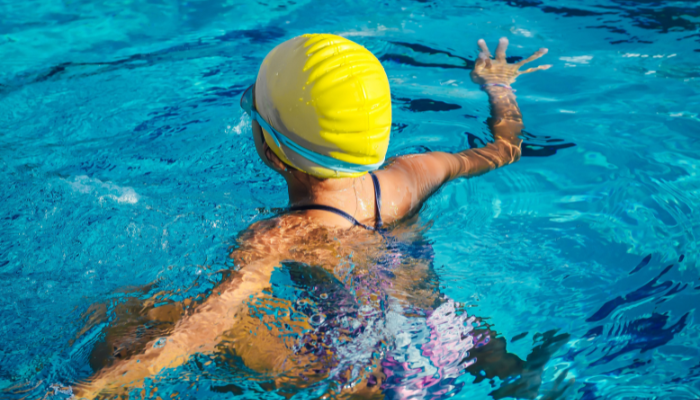
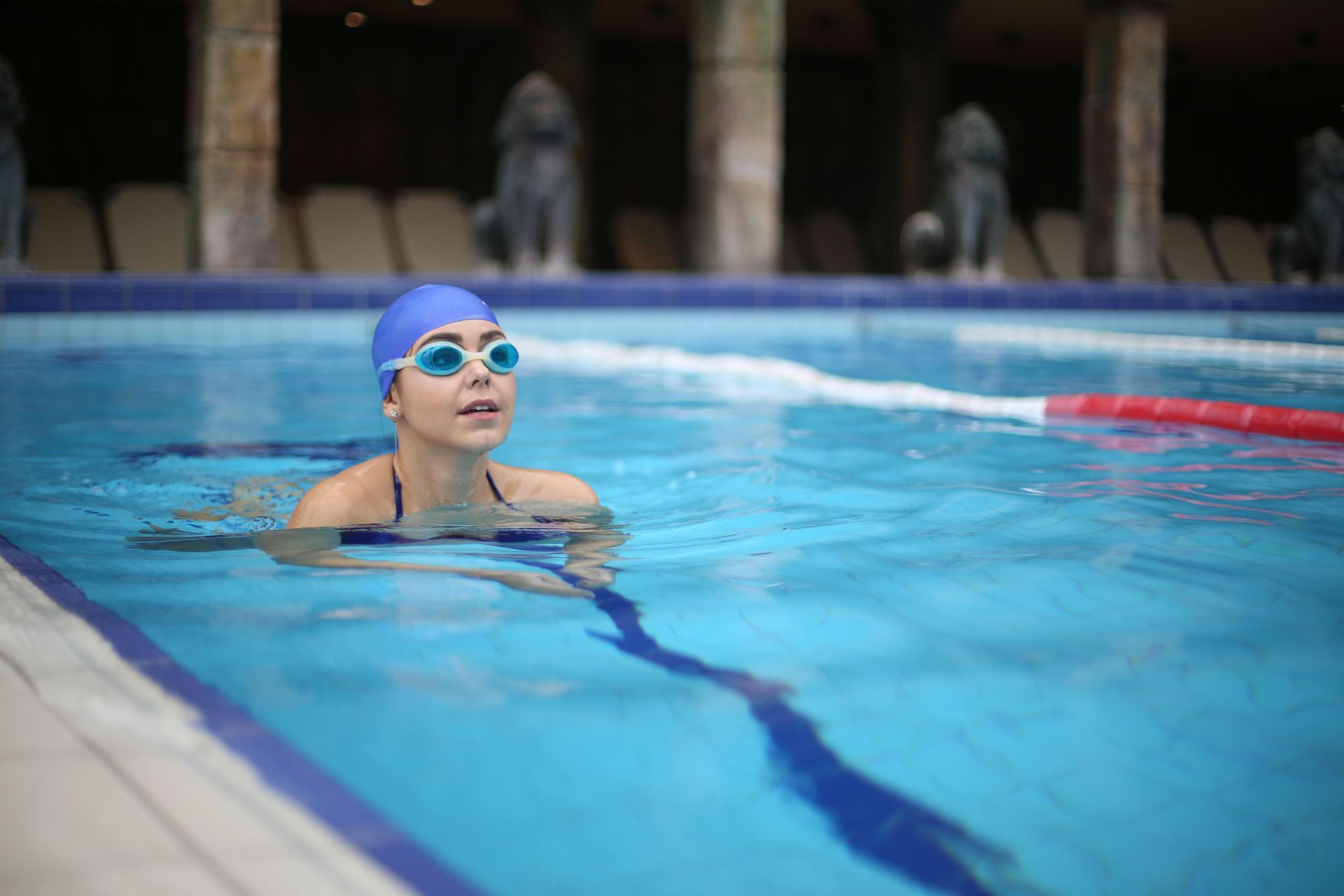
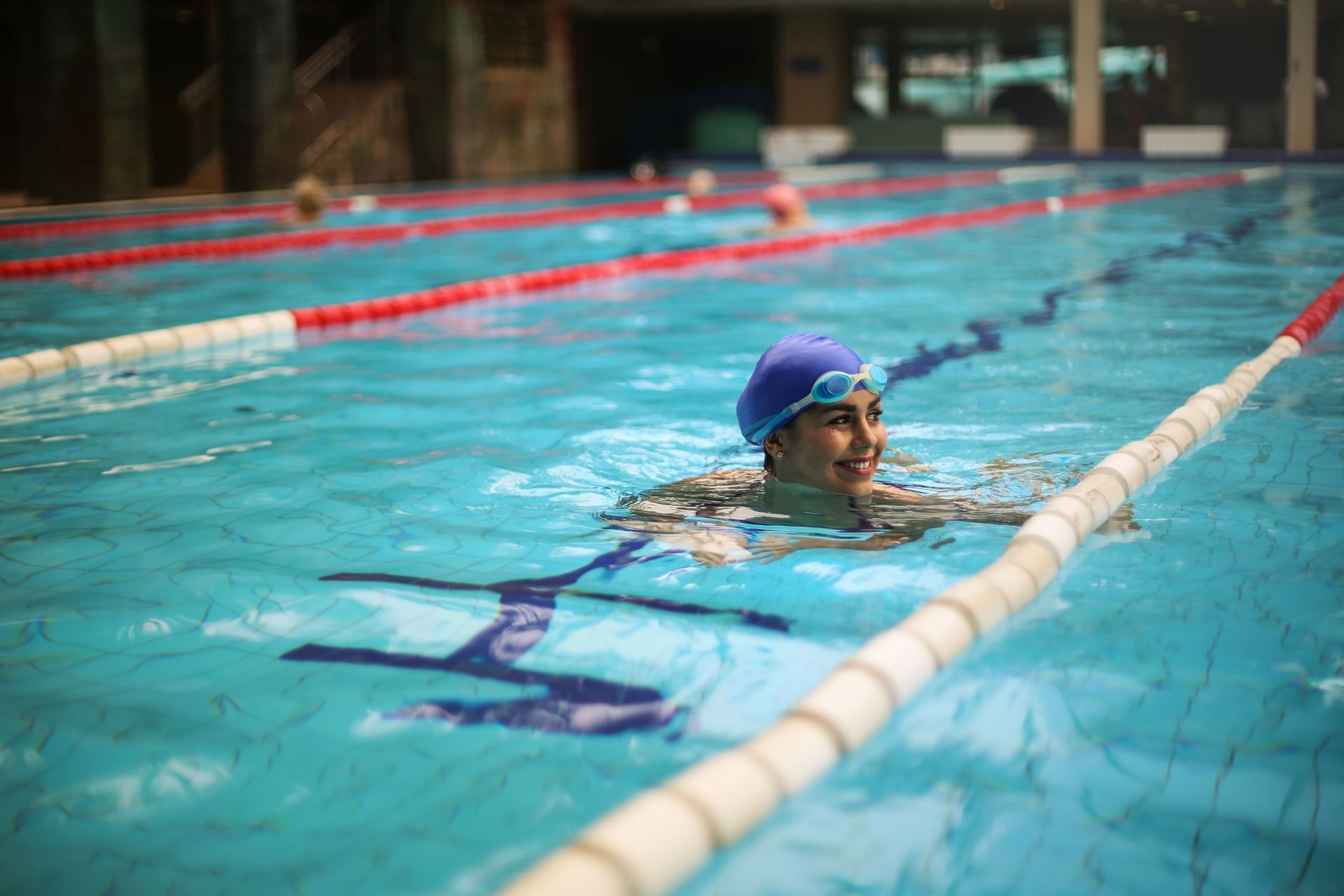
Swim classes offer something rare in a child's week: the same instructor, the same peers, and the same routine, term after term. Over time, this consistency builds genuine emotional safety. Children stop asking "Will I be okay?" and start thinking "I belong here."
Research by Ahnert, Pinquart, and Lamb (2006) found that children form genuine attachment relationships with non-parental caregivers. These bonds strengthen over several weeks of consistent contact. That is exactly how a swim school community works. An instructor who greets your child by name and celebrates their milestones becomes a trusted figure. A Griffith University study of 7,000 children under five also found that young swimmers were months ahead of non-swimming peers in cognitive development. The importance of community for kids shows clearly here, because learning happens within a supportive group.
How Performing Arts Build Social Confidence
While swimming builds belonging through routine and physical mastery, performing arts build confidence through expression and collaboration. Drama, dance, and music give children a chance to contribute to something bigger than themselves.
Research published in
Developmental Science found that dramatic play significantly improved emotional regulation in preschool children. Meanwhile, a University of Chicago study observed that adults began seeing children differently after watching them perform. The importance of community for kids is especially visible in these settings. A shy child who would not speak up in a classroom might blossom on stage when surrounded by supportive peers. Programmes like those offered by Perform Australia create exactly this kind of encouraging environment.
Why Feeling Seen Matters
The psychological concept of "mattering" captures what happens when a child feels noticed. Psychologist Gordon Flett (2022) described mattering as a psychological shield, built from three elements: someone notices you exist, someone sees you as important, and someone depends on you.
When children feel invisible, the effect runs deep. Neuroscience research shows that social exclusion activates the same brain regions as physical pain. On the other hand, children who feel seen participate more and develop stronger self-esteem. The importance of community for kids rests on this foundation. Whether in a
swim
class or on a stage, being recognised builds confidence no individual lesson can replicate.
Routine, Familiarity, and Confidence
Consistency is one of the most underrated confidence builders for young children. Research confirms that predictable routines lower anxiety and help children feel secure, freeing up energy for learning and exploration.
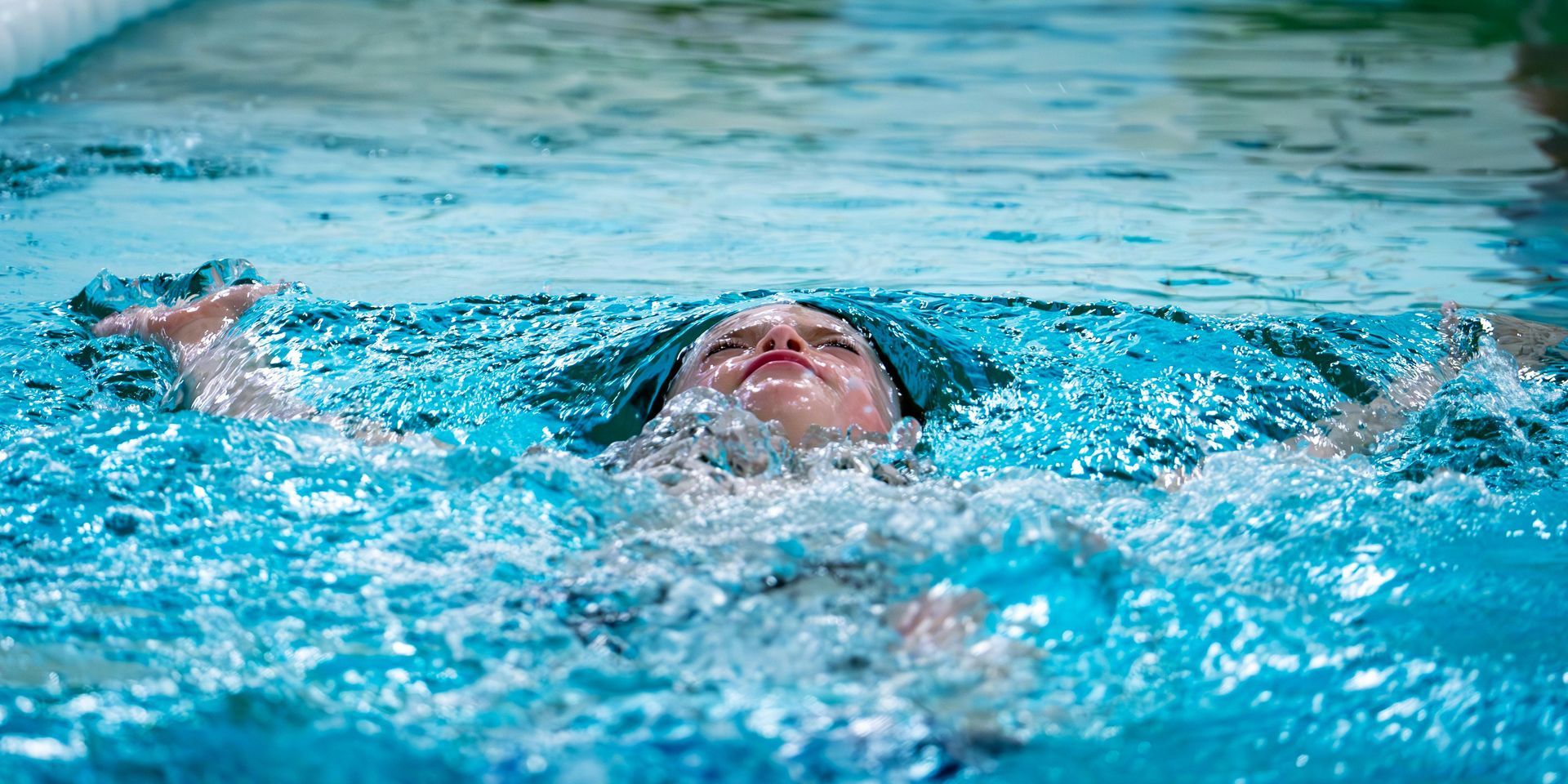
Weekly swimming lessons deliver this predictability. The same warm pool, the same welcoming faces, and the same progressive structure create a rhythm children rely on. As their skills grow within this stable setting, so does their belief in themselves. Understanding the importance of community for kids helps parents see that progress is not just about strokes or grades. It is about the environment surrounding the learning.
Confidence Grows Through Belonging
Children do not need to be the best in the room. They need to feel like they belong in the room. When a child walks into a swim class and sees their instructor smile, or steps onto a stage and hears classmates cheer, something powerful happens. They start to believe they matter.
The importance of community for kids is not a theory. It is what parents see every week when their children grow a little braver and a little more sure of who they are. At Aquatots, we have witnessed this for more than two decades. Our community of families, instructors, and young swimmers proves that belonging is where confidence begins.