Cross-Training for Kids: From Water Skills to Aerial Skills
Summary: Elite athletes cross-train. That's no secret. Swimmers lift weights. Runners do yoga. Footballers hit the pool between matches. Yet cross-training isn't reserved for adults chasing performance goals. Children benefit from it too, often in deeper ways. For kids, the purpose shifts away from competition. Instead, it centres on development. When young bodies move through different environments, they build physical tools that no single sport can provide on its own.
What Is Cross-Training for Kids?
Cross-training for kids means exposing children to different movement environments so they develop well-rounded physical literacy. Rather than locking a child into one sport from an early age, this approach encourages variety across complementary activities.
The science supports this strongly. A 2022 meta-analysis of more than 6,000 athletes found that world-class adult performers had practised multiple sports as children and started their primary sport later than peers who peaked young but faded. Meanwhile, research published in
Pediatrics shows that highly specialised young athletes face an 81% greater risk of overuse injuries. Beyond injury prevention, multi-sport participation builds motor skill diversity and keeps children engaged in physical activity for longer. In short, variety protects young bodies and growing minds alike.
The Benefits of Water-Based Training
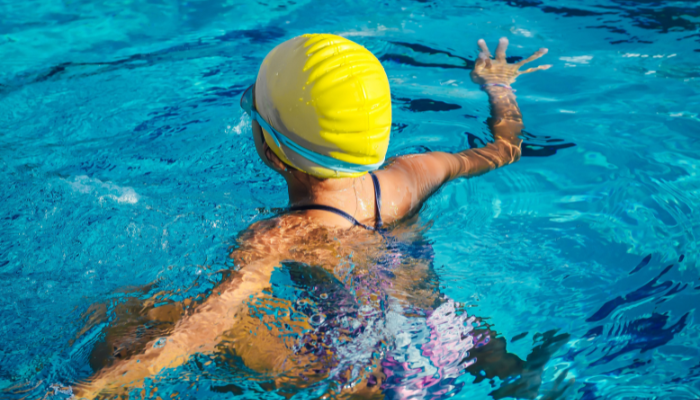
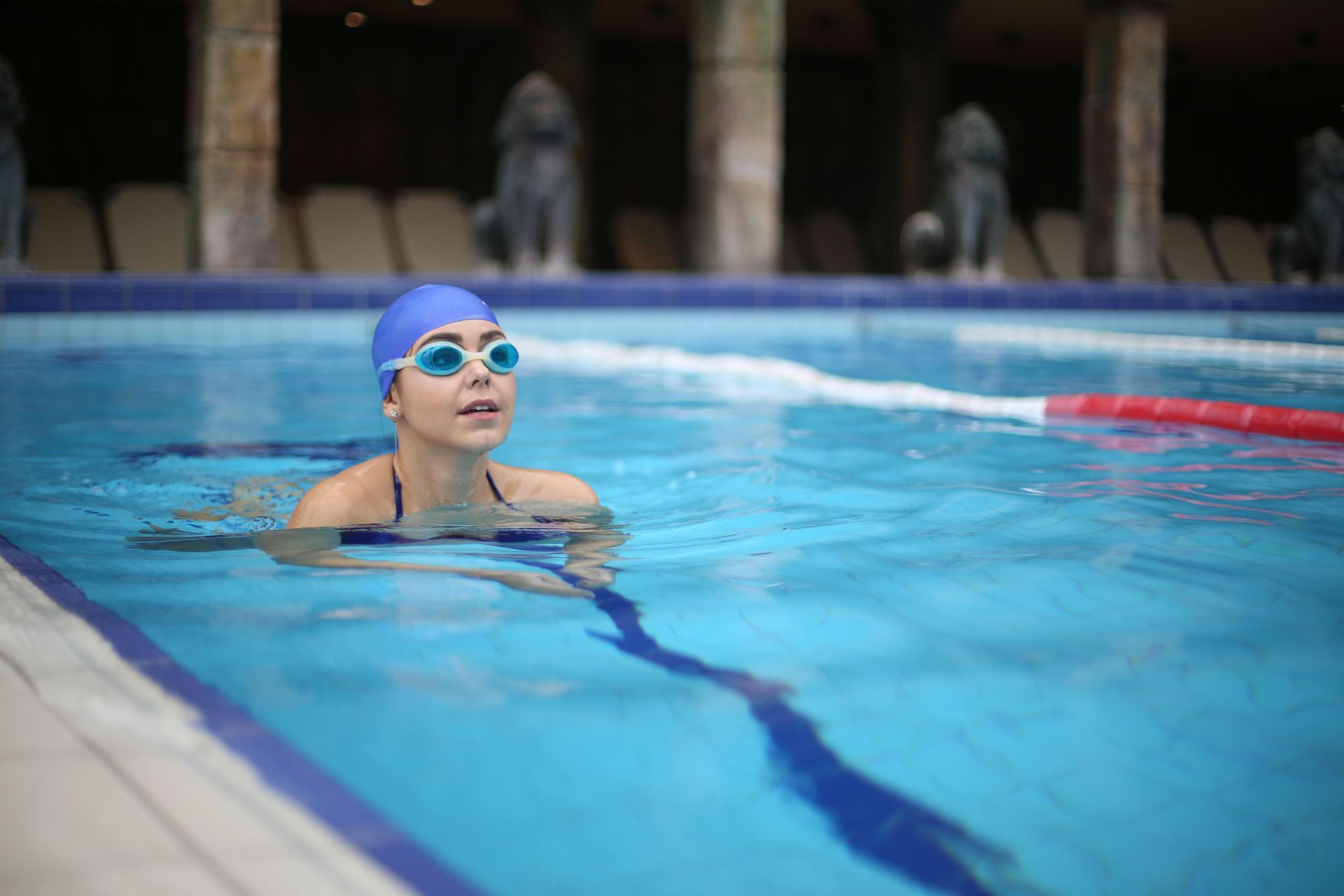
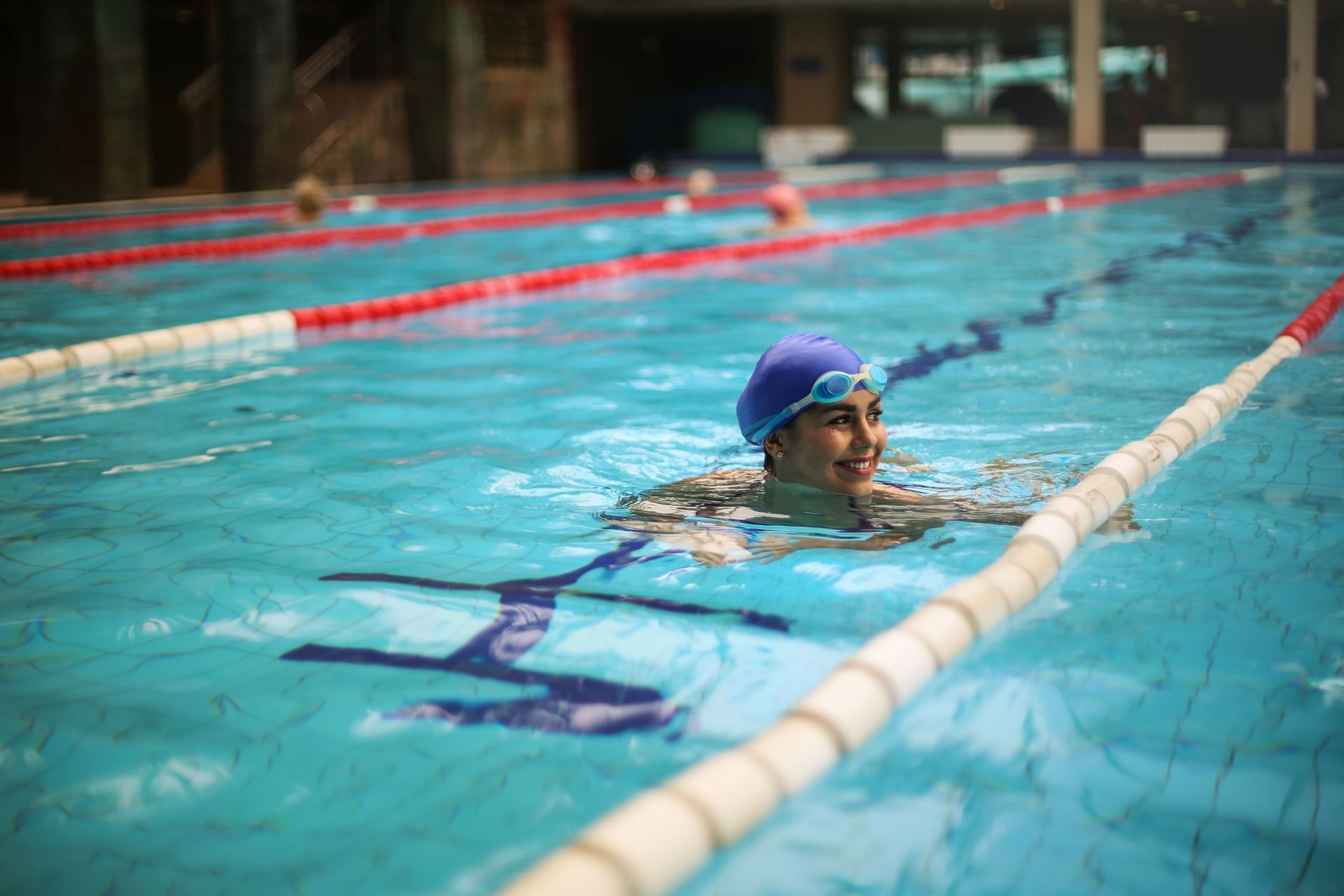
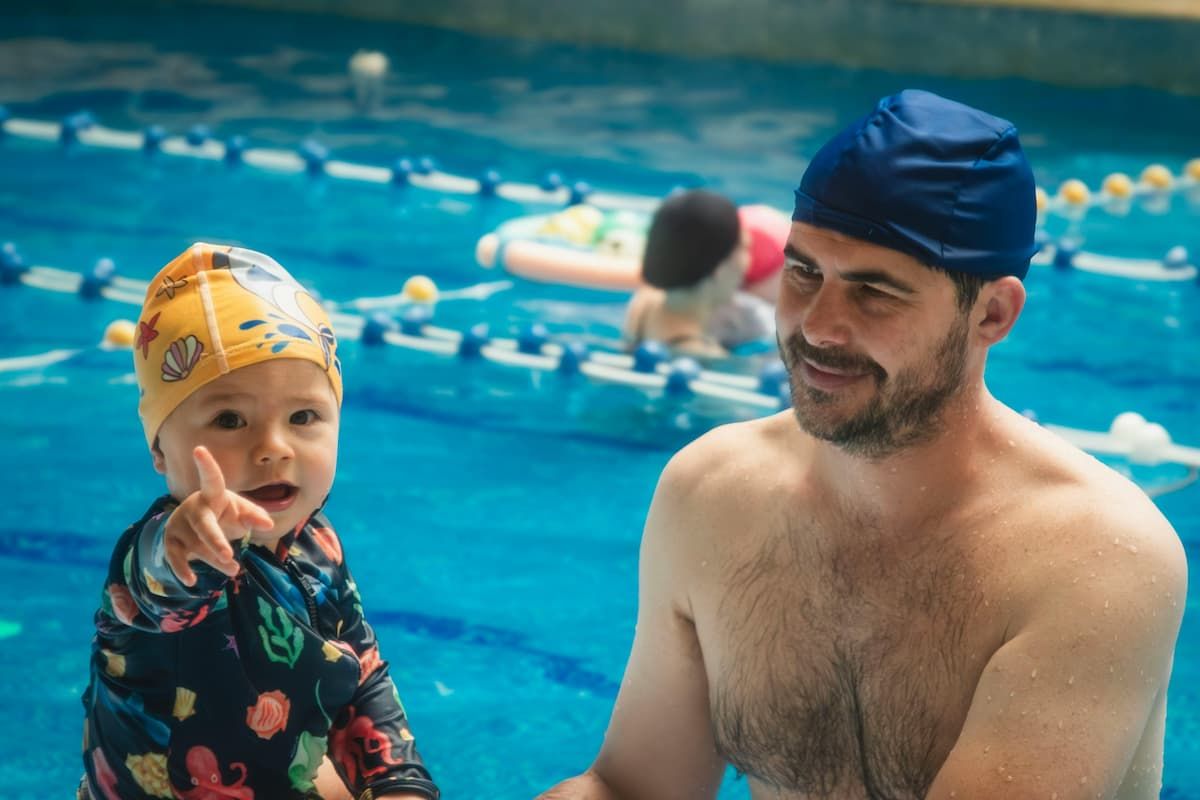
Swimming stands apart because it can start so early. Babies as young as six weeks can begin water familiarisation, and the aquatic environment offers developmental advantages that land-based activities simply cannot match.
Water reduces body weight by roughly 90%, so infants and toddlers can practise reaching, floating, and rotating before they master those movements on dry ground. At the same time, water provides over 600 times the resistance of air, creating natural strength training without stressing joints or growth plates. A landmark Griffith University study tracking 7,000 children under five found that young swimmers were 6 to 15 months ahead of peers in cognitive and motor development. Additionally, swimming builds cardiovascular endurance, core stability, breath control, and whole-body coordination through safe, low-impact conditioning.
The Benefits of Circus-Based Training
Where swimming develops the body in a buoyant, horizontal environment, circus and aerial arts build strength against gravity in vertical space. Children who train on silks, trapeze, or balance equipment develop upper-body and grip strength by supporting their own body weight. They also sharpen dynamic balance, spatial orientation, and creative movement patterns.
Research consistently backs these outcomes. A 2023 scoping review covering 42 circus interventions for young people found physical or social-emotional improvements in every single study examined. Furthermore, a Canadian study comparing circus-based physical education against standard PE found that circus students outperformed peers in 15 of 18 movement skills. Circus training is structured yet playful, and its non-competitive nature appeals to children who might disengage from traditional team sports.
Canberra families can explore circus classes for children from birth to teens at
Warehouse Circus, with programs running at Chifley and Kaleen.
Why Different Environments Build Adaptability
The real power of combining swimming and circus lies in how these environments challenge the body in opposite ways.
Water means horizontal movement, buoyancy, and resistance. Circus means vertical movement, gravity, and suspension. When children switch between these settings, their nervous systems learn to adapt rapidly. This process strengthens neural pathways responsible for balance, coordination, and spatial awareness.
Moving between environments also teaches children to adjust their balance strategies, manage fear in unfamiliar positions, solve physical problems in real time, and regulate their emotions under challenge. A 2023 review in
Children confirmed that vestibular connections in the brain continue developing until adolescence, and this development depends on varied movement stimulation. Both swimming and aerial activities rank among the most effective vestibular stimulators available to young children.
Avoiding Burnout Through Variety
Around 70% of young athletes drop out of organised sport by age 13. Burnout and overuse injuries drive much of this attrition. Children who sample multiple activities throughout childhood are far more likely to stay physically active into their teens and beyond.
Variety prevents the repetitive strain that comes from repeating identical movements year after year. Equally important, it prevents the mental fatigue that builds when training feels like a grind rather than an adventure. Rotating between the pool and the aerial studio keeps movement fresh, fun, and full of new challenges.
More Tools, More Confidence
Cross-training for kids isn't about pushing children harder. It's about giving them more tools. Greater strength. Sharper awareness. Real confidence in what their bodies can do.
Swimming and circus together offer a powerful, balanced foundation. One builds endurance and control through water. The other builds aerial strength and spatial awareness through gravity. Together, they develop adaptable, resilient children who are ready for whatever physical challenge comes next.
Frequently Asked Questions
What age can children start cross-training between swimming and circus?
Swimming can begin as early as six weeks with parent-accompanied water familiarisation classes. Most circus schools offer introductory programs from around age three, starting with tumbling, balance play, and simple coordination activities. By age five to seven, children can begin low-apparatus aerial work with close instructor supervision.
Is circus training safe for young children?
Yes, when delivered by qualified instructors in age-appropriate programs. Research shows circus injury rates are lower than those in NCAA gymnastics. Youth programs typically use low equipment heights, crash mats, strict supervision ratios, and progressive skill development tailored to each age group.
Do children need to be strong or flexible before starting aerial arts?
No prior fitness level is required. Circus programs build strength and flexibility progressively through the training itself. Children develop these qualities as they learn, rather than needing them as prerequisites.
How does cross-training prevent sports injuries in children?
Single-sport training repeats the same movement patterns, which overloads specific muscles and joints. Cross-training distributes physical demands across different body systems. Swimming conditions the cardiovascular system with minimal impact, while circus develops upper-body strength and balance. Together, they reduce the repetitive strain that causes most youth sports injuries.
Will cross-training delay my child's progress in their main sport?
Research suggests the opposite. A meta-analysis covering thousands of elite athletes found that those who played multiple sports as children reached higher adult performance levels than early specialists. The broad motor skills built through cross-training transfer across activities and accelerate learning when children do choose to focus later.
How often should children rotate between activities?
There is no fixed rule, but most child development frameworks recommend that children under 12 participate in at least two to three different physical activities throughout the year. Even one session per week in a complementary discipline provides meaningful developmental benefits alongside a primary activity.