Supporting Children Through Big Transitions: From Early Learning to New Environments
Summary: Starting something new can feel overwhelming for young children, and transitions like beginning childcare or trying a new activity often bring changes in behaviour. With the right support, including predictable routines, caring adults, and gentle preparation, children can move through these changes with confidence. Structured activities like swimming lessons provide safe environments where children build emotional resilience and trust in unfamiliar settings at their own pace.
Starting something new can feel overwhelming for young children. Even a small shift in routine might seem like a huge leap from their perspective. As a result, many parents notice changes in behaviour when their child begins childcare or tries an activity for the first time.
The good news is that transitions are a normal part of growing up. With the right support, your child can move through change with confidence. Understanding what makes these moments challenging is the first step toward helping children successfully navigate transitions.
Why Transitions Can Be Challenging
Children rely on routine, familiarity, and trusted adults to feel safe. When any of these things change, it can create uncertainty and anxiety. For this reason, a child who seems perfectly happy at home might become clingy or unsettled in a new setting.
This response is completely normal. Research from the
Australian Institute of Family Studies shows that adjusting to new environments is a process for children, with some settling quickly while others take more time and support. These feelings usually ease over time, especially when children receive consistent reassurance from the adults around them.
The Role of Early Learning Environments
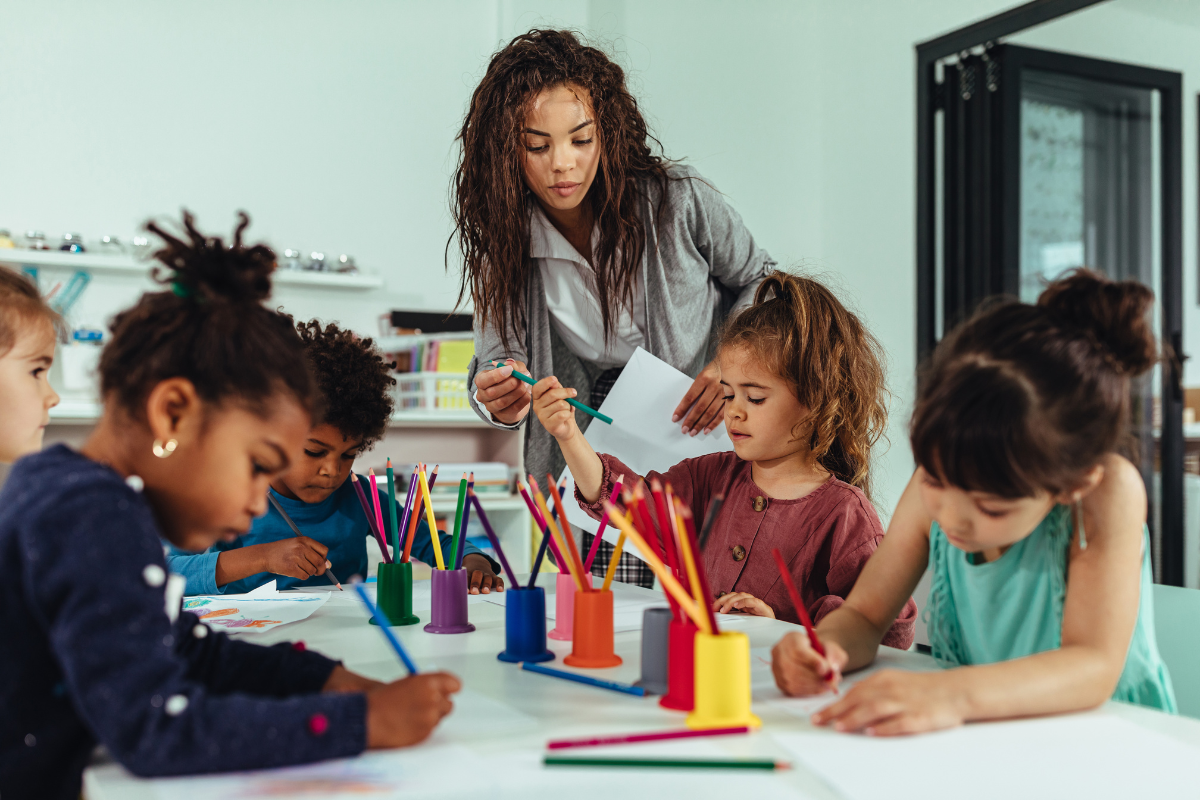
Quality early learning centres play a vital role in helping children through transitions. Centres like Kirinari Early Childhood Centre provide consistent daily routines, nurturing educators, and safe spaces where children can explore at their own pace.
Over time, these environments help children build independence and emotional resilience. The predictable structure of an early learning program also gives children a sense of control during a time that might otherwise feel uncertain. As children form bonds with educators and peers, they begin to feel secure enough to take small risks and try new things.
How Swimming Supports Children Through Transitions
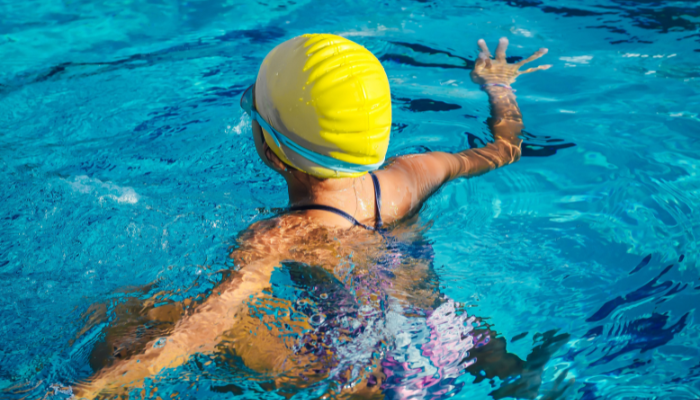
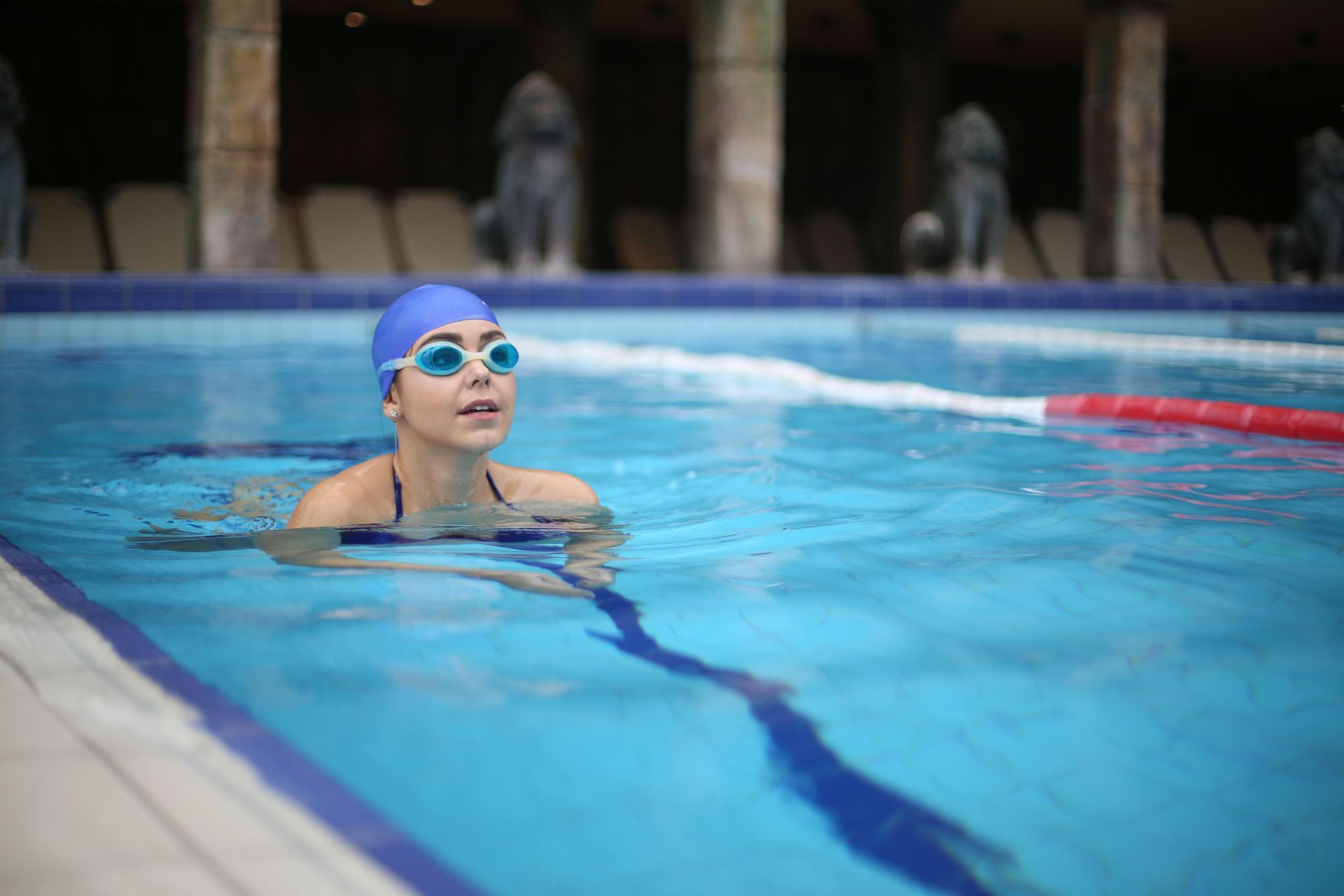
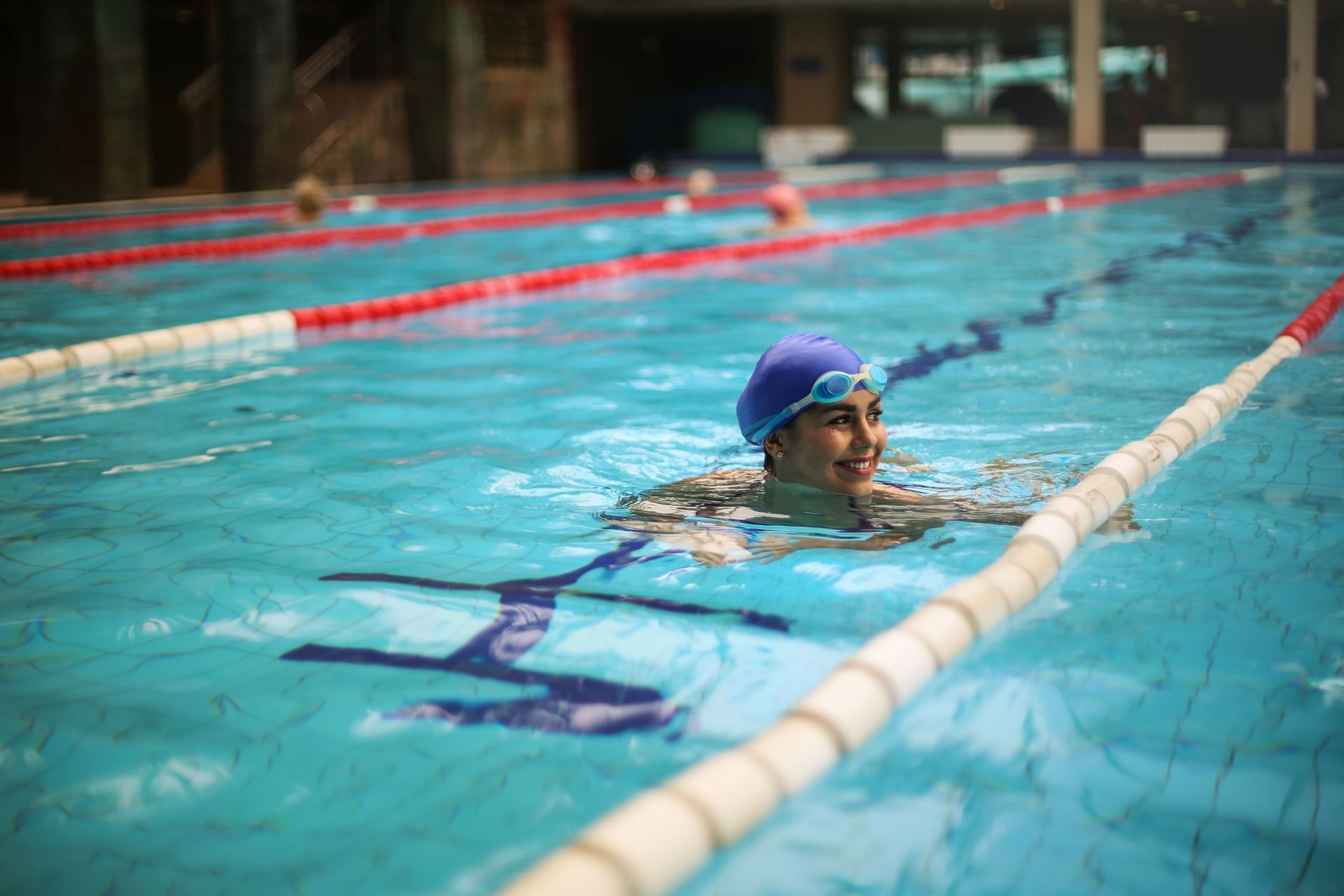
Structured activities offer another powerful way to build confidence in children during times of change. Swimming lessons introduce a new environment with clear routines and supportive instructors, making them an ideal 'first activity' for young children navigating change.
Aquatots programs are designed with emotional readiness in mind. Children progress from parent-accompanied classes to independent lessons at their own pace. This gradual approach mirrors the broader transition experience and helps children learn to trust new adults in unfamiliar settings.
The pool creates a unique learning environment. Water naturally slows children down, providing gentle sensory input that helps regulate the nervous system. The repetitive nature of swimming strokes and breath control builds focus and emotional regulation. Together, these elements prepare children for the kinds of challenges they face when starting childcare or school.
Beyond confidence, swimming also builds physical coordination and the ability to follow instructions. These skills transfer directly into other new environments, giving children tools they can use wherever they go.
Practical Ways to Support Your Child
There are several simple strategies that can make transitions smoother for your family.
Prepare gently. Talk about what to expect in age-appropriate language. You might use picture books, short stories, or a visit to the new setting before the first day. For swim lessons, show your child photos of the pool or talk about what they'll do in class.
Keep goodbyes short and consistent. A calm, predictable farewell routine helps your child understand that you will always come back. In contrast, long or emotional goodbyes can increase anxiety for both of you.
Build daily routines at home. Predictable mealtimes, bedtimes, and morning rituals give children a sense of stability that carries with them wherever they go. When everything else feels new, familiar routines become anchors.
Allow plenty of adjustment time. Most children need several weeks to settle into a new routine. Some children warm up quickly, while others need more time to observe before fully participating. Both approaches are completely normal.
Work closely with educators and instructors. Share information about your child's preferences, comfort items, and any concerns you might have. The adults supporting your child can then respond in ways that feel familiar and reassuring.
Why Familiarity Builds Confidence
Familiar environments help children feel safe, capable, and ready to engage with the world around them. When a child knows what to expect, they spend less energy managing worry and more energy learning and connecting with others.
For this reason, both early learning centres and swimming programs use predictable formats. Warm-up activities, skill practice, and cool-down routines give children a framework they can rely on each visit. Over time, this familiarity becomes the foundation for genuine confidence.
At Aquatots, instructors greet children by name, follow consistent lesson structures, and celebrate progress in ways that feel personal. This consistency helps children settle faster and engage more fully, especially during times of broader change in their lives.
Early Exposure Builds Awareness and Safety
Confidence in new environments also connects to safety. Water safety remains essential for Australian children, and early exposure to water builds both awareness and respect for aquatic environments. Children who learn water skills from a young age are better equipped to recognise risk and respond safely.
Starting these lessons early gives children the chance to develop life-saving skills in a supportive, structured setting. In turn, parents gain peace of mind knowing their child is building both confidence and safety awareness at the same time.
Confidence Grows Through Supported Change
Children don't just cope with transitions. They grow through them. Every new environment, every unfamiliar face, and every small challenge overcome adds to a child's belief in their own ability.
With consistent routines, caring adults, and supportive programs, your child can navigate change with resilience. Whether they're settling into early learning or taking their first swimming lesson, the key remains the same: make it feel safe, keep it predictable, and confidence will follow.
At Aquatots, we've watched thousands of children move through transitions with their families. Some jump in on day one. Others watch quietly from the edge for weeks before they're ready. Both paths are completely normal, and both lead to the same place: a child who feels capable, confident, and ready for whatever comes next.
If your child is navigating a big transition or you're looking for a supportive environment where they can build confidence at their own pace, we'd love to help. Learn more about our approach to teaching young swimmers or get in touch to find the right program for your family.
Frequently Asked Questions
Why do children struggle with transitions like starting childcare?
Children rely on routine, familiarity, and trusted adults to feel safe. When any of these things change, it can create uncertainty and anxiety. This response is completely normal, and most children settle over time with consistent reassurance and support.
How can I prepare my child for their first swimming lesson?
Talk about what to expect in age-appropriate language, show them photos of the pool, and explain what they'll do in class. Keep your goodbye short and consistent, and remember that some children jump in immediately while others need several weeks to observe before fully participating.
How long does it take for children to adjust to new environments?
Most children need several weeks to settle into a new routine. Some warm up quickly, while others need more time to observe before fully engaging. Both approaches are completely normal, and patience during this adjustment period is key.
Can swimming lessons help with other transitions like starting school?
Yes. Swimming builds confidence, teaches children to follow instructions, and helps them trust new adults in unfamiliar settings. The physical coordination, focus, and emotional regulation developed in the pool transfer directly into other new environments like childcare and school.
What should I tell my child's instructor or educator about their personality?
Share information about your child's preferences, comfort items, any fears or anxieties, and what helps them feel calm. Let them know whether your child warms up quickly or needs more observation time. This helps educators and instructors respond in ways that feel familiar and reassuring to your child.