Building Confident Toddlers Through Music, Movement, and Water Play
Summary: Building confidence in toddlers does not happen overnight. Instead, it grows through small challenges, repetition, and encouragement. Research from Griffith University found that children who started swimming early were up to 20 months ahead of their peers across key developmental areas. Meanwhile, a longitudinal study of over 3,000 Australian children showed that shared music activities between ages two and three predicted stronger social and attention skills by age five. Building confidence in toddlers starts with the right experiences during these early years.
Why Toddlers Learn Best Through Movement
Toddlers are not designed to sit still. Instead, they learn through moving, touching, splashing, and exploring everything around them. During the first five years, the brain forms more than one million new neural connections every second. Movement-based activities strengthen these pathways because they engage multiple senses at the same time.
For example, when your child dances to a song or kicks through water, their brain processes touch, balance, sound, and spatial awareness all at once. Studies confirm that pairing physical actions with learning produces stronger memory retention than passive instruction. This is exactly why movement plays such a central role in building confidence in toddlers. Every jump, splash, and clap teaches their body and brain to work together.
How Music Supports Early Social Confidence
Music classes give toddlers something powerful: the chance to join in and feel part of a group. Singing familiar songs teaches children to follow patterns, take turns, and express themselves freely. Over time, they absorb a simple but important lesson: "I can do this."
A 2025 study in the
Journal of Health and Physical Literacy found that early music programs also support physical literacy, including balance, coordination, and body awareness. Programs like
Maggie Moo Music Tuggeranong offer structured, sensory-rich sessions designed for babies through to preschoolers. These sessions combine rhythm, creative play, and movement in ways that directly contribute to building confidence in toddlers. Even singing action songs during bath time at home can bridge the gap between music and water comfort.
How Water Play Builds Courage
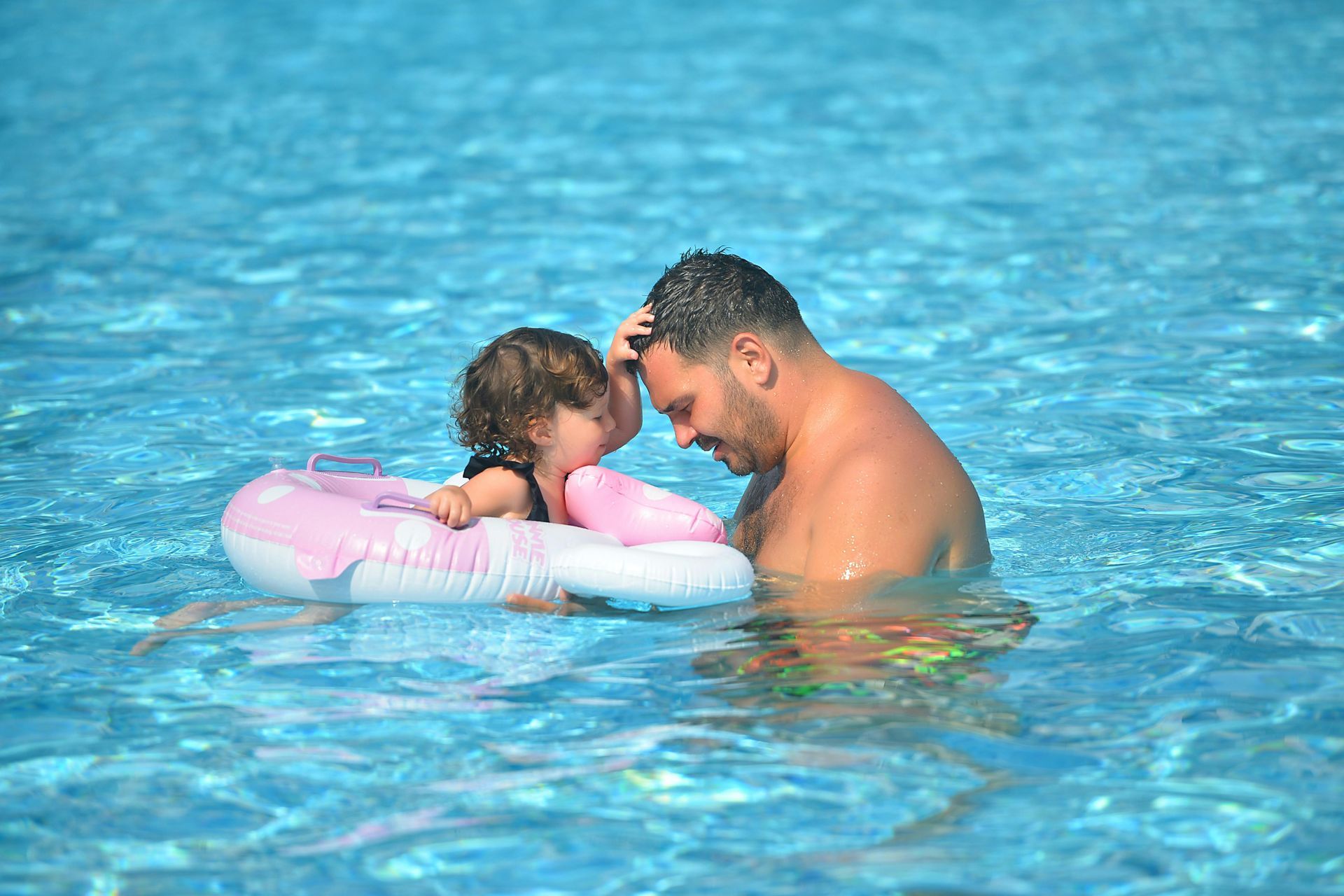
Swimming introduces your child to challenges they can manage. Getting water on their face, floating on their back, or kicking to the wall are all small victories that add up over time. Each one sends a clear message: "I was nervous, and I did it."
Bandura's self-efficacy research shows these mastery experiences are the most powerful way to build lasting self-belief. At Aquatots, our
baby and toddler swimming lessons are designed around emotional readiness rather than rushing through skills. Children learn at their own pace in warm, calm pools with qualified instructors who know them by name. This gentle, child-led approach is fundamental to building confidence in toddlers through water.
Body Awareness and Coordination
Music builds rhythm and timing. Water builds spatial awareness and physical control. Together, these experiences support balance, coordination, and motor planning.
When a toddler claps to a beat in music class, they develop bilateral coordination, using both sides of the body in sync. When they float or kick in the pool, they learn where their body is in space. Sport Australia's Physical Literacy Framework recognises swimming as one of the most accessible early-age activities for building these foundational movement skills. Building confidence in toddlers depends on this kind of physical foundation, because children who feel capable in their bodies tend to feel more capable everywhere.
Social Skills Through Group Learning
Both music and swim classes place toddlers in structured group settings. As a result, they learn to watch other children, follow instructions, wait for their turn, and participate alongside peers.
Research shows that children build self-belief partly by observing similar peers succeeding.
When your toddler sees another child jump into the pool, it becomes easier to imagine doing it themselves. Our pre-school swimming program creates exactly this kind of supportive social environment. Children gain confidence not only from their instructor but also from the encouragement of their classmates.
Building Confidence in Toddlers Through Everyday Experiences
Confidence does not come from pressure. It comes from trying, practising, and succeeding in environments that feel safe. Music, movement, and water play give toddlers the space to grow at their own pace. By age five, research shows that a child's self-esteem is already as strong as an adult's. That makes these early years critical for building confidence in toddlers.
You do not have to choose between music and swimming. The neuroscience points in one direction: children who experience structured, sensory-rich activities develop stronger foundations for learning and resilience. These experiences shape children who feel capable, curious, and ready for new challenges.
Ready to start your child's water confidence journey? Learn what to expect at their first lesson or explore our programs for every age and stage.