Supporting Children and Teens Beyond the Classroom: How Physical Activity, Confidence, and Routine Support Learning and Well-being
Summary: Physical activity plays a powerful role in supporting children’s focus, confidence, and emotional well-being. Structured programs like swimming help build routine, self-regulation, and resilience that transfer directly into school life. When combined with personalised academic support, children and teens are better equipped to manage challenges and thrive both in and out of the classroom.
You may have noticed it yourself. After swimming lessons, your child feels calmer. More settled. More ready to focus.
It’s not just about burning off energy. Time in the water helps prepare the brain for learning.
For Canberra families balancing school, activities, and family life, this matters. Physical activity doesn’t take time away from learning. It often helps learning work better.
How movement supports the brain
Physical activity builds more than strong bodies. It supports the brain skills children use every day at school.
When children move, blood flow increases to areas of the brain linked to focus, planning, and self-control. Even short bursts of activity can improve concentration and task performance. Over time, regular movement strengthens memory and attention pathways.
That’s why children involved in structured physical programs often show benefits in the classroom.
Movement helps the brain switch on. The impact shows up in homework, class engagement, and confidence with learning.
Why routine matters so much
Beyond brain benefits, regular activity builds routine and self-regulation.
When children attend structured programs, they practise showing up, listening, and working through challenges. These skills transfer directly into school life. Australian research shows children involved in extracurricular activities demonstrate stronger self-regulation and persistence.
Predictable routines also reduce stress. When children know what their week looks like, swimming on Tuesday, tutoring on Thursday, family time on the weekend, they feel safer and more in control. This is especially important during exams or school transitions.
For parents, this means structure doesn’t add pressure.
It often creates the stability that helps everything else run more smoothly.
Confidence supports learning at every age
Confidence isn’t a bonus. It’s a foundation.
For younger children, learning physical skills builds belief in themselves. They experience effort, practice, and progress. That “I can do this” feeling carries into the classroom when learning feels tricky.
For older children and teenagers, confidence matters even more. As academic pressure increases, having a space where they feel capable outside school provides balance. Research shows children who feel competent in physical settings often carry that self-belief into other areas of life.
Confidence grows through experience, patience, and support. Children need safe places to try, practise, and succeed, whether that’s in the pool or at the desk.
Why personalised programs make a difference
One-size-fits-all rarely works for children.
Every child learns differently. Some need more time. Others need repetition or a different explanation. Programs that adapt to the child, rather than pushing the child to fit the program, create better outcomes and happier learners.
Many families see this in swim lessons. At Aquatots, teachers adjust to each child’s ability, confidence, and pace. There’s no rushing. Progress is built step by step, with encouragement and care.
This same approach works in academic settings too. Personalised tutoring supports children by meeting them where they are. WHY Tutoring, for example, offers one-on-one and small-group support tailored to each student’s learning style. The focus is on understanding and confidence, not pressure.
When children experience personalised support in both physical and academic spaces, they build stronger belief in themselves. That belief supports future challenges.
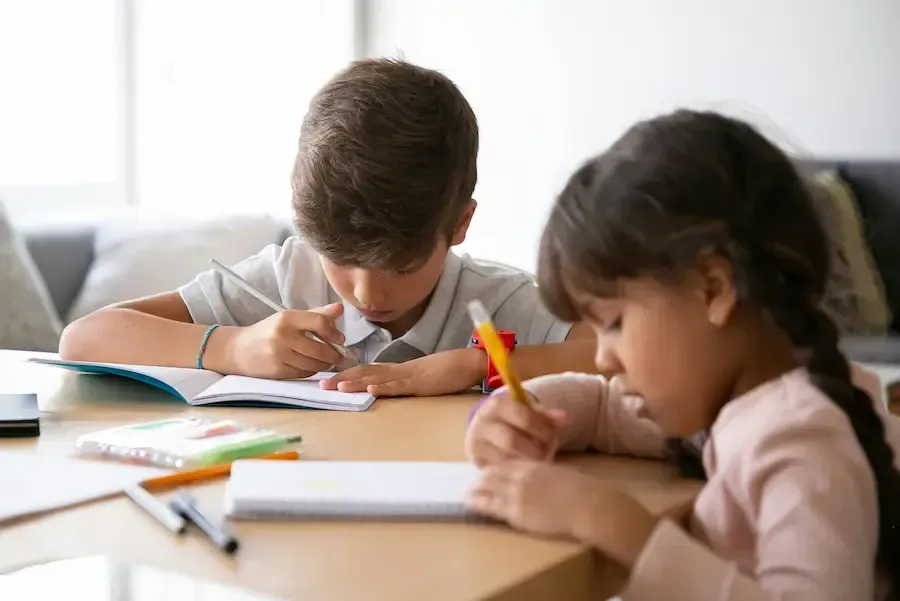
Supporting teenagers without adding pressure
Adolescence brings higher demands. School expectations grow. Social pressures increase. Many families worry about stress and mental health.
This is when balance matters most.
Physical activity for teenagers should feel supportive, not competitive. Non-competitive programs offer fitness, skill development, and connection without performance pressure. Aquatots’ Swim Fit program supports older students with technique and fitness in a calm, encouraging environment.
Academic support works best the same way. Effective tutoring builds confidence and preparation, helping students feel capable rather than overwhelmed. Whether in the pool or the study space, the goal is the same: helping young people feel in control.
Taking a whole-child approach
The strongest support for children combines movement, emotional well-being, and learning.
These areas aren’t separate. They work together.
Children who move regularly manage stress better. They focus more easily. They believe in themselves when learning feels hard. A child who masters a swimming skill is more likely to persist with a school challenge. A teenager with a steady fitness routine is often better equipped to manage exam stress.
For families, this means choosing programs that respect your child’s individuality. It means building routines that include movement, rest, and learning in ways that feel sustainable.
Where to start
The evidence is clear. Children who move, build confidence, and follow consistent routines are better supported to learn and thrive.
Start small. Choose activities your child enjoys. Look for programs that value patience, individual progress, and care. If learning feels challenging, explore support that builds understanding and confidence, not just content coverage.
Whether it’s in the pool with Aquatots or in a tutoring session, the approach matters.
Over time, these choices build strong foundations. Foundations for confidence, wellbeing, and a lifelong love of learning.
Frequently asked questions
How does physical activity improve learning?
Physical activity increases blood flow to the brain, supporting focus, memory, and attention. Regular movement strengthens the cognitive skills children use every day in the classroom.
Does swimming really help with school performance?
Swimming supports self-regulation, confidence, and persistence. These skills make it easier for children to manage classroom tasks, homework, and challenges.
Why is routine important for children and teenagers?
Consistent routines reduce stress and create a sense of stability. When children know what to expect each week, they feel more secure and ready to learn.
How can I support my teenager without adding more pressure?
Choose programs that focus on personal progress rather than competition. Supportive physical and academic environments help teenagers feel capable instead of overwhelmed.
What if my child struggles with confidence?
Look for activities that allow gradual progress and personalised support. When children experience small, achievable wins, their confidence naturally grows over time.