Summer water safety beyond the swimming lesson
Your child's lessons are doing their job. Summer is where that work gets used, in places a swim school never sees: a backyard, a friend's pool at a barbecue, or Lake Burley Griffin. Four habits matter more across a Canberra summer than anything else, and none of them involve a lesson.
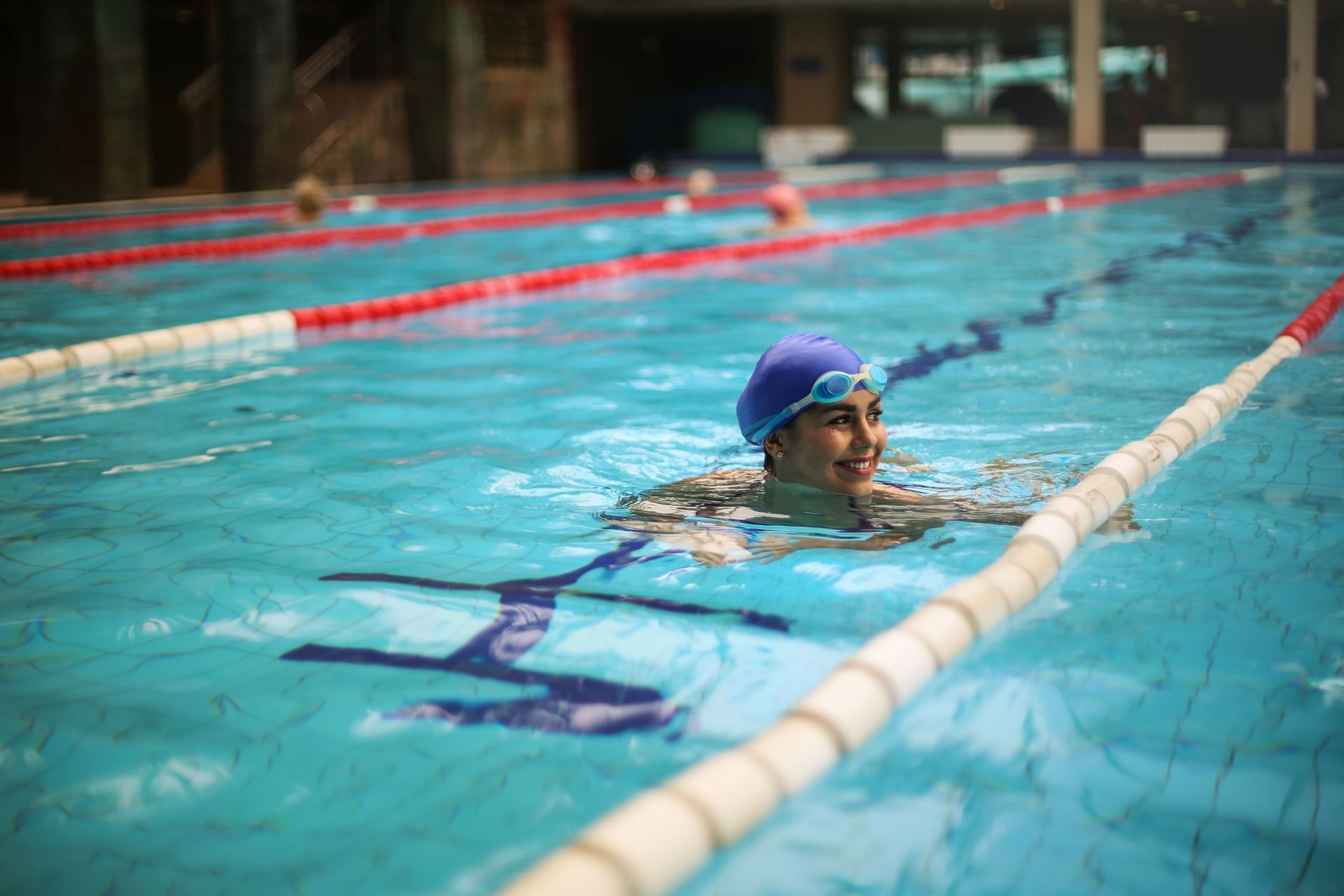
Lessons are one layer, not the whole plan
Swimming ability is the layer families invest in most, and it is the right place to start. It is also the layer that does the least on its own.
The others are supervision, barriers, and knowing what to do when something goes wrong. They are cheap, quick to set up, and mostly a matter of habit.
None of this is about worrying more. It is about deciding a few things in advance so nobody has to decide them in the moment.
Name the watching adult out loud
At a family gathering, everyone is half watching the pool. That usually means nobody is.
The fix is to say it out loud. One adult is watching, they are not drinking, they are not on their phone, and they stay in that job until they hand it to someone else by name.
Twenty minute shifts work well. It sounds formal for a backyard barbecue, which is exactly why it works: the moment it is spoken, the job exists.
Give it to a person, not a group. 'Can everyone keep an eye out' is how a pool ends up unwatched at a party of fifteen adults.
Canberra pool owners: the date to know is 1 May 2028
The ACT has changed its home pool rules. All home swimming pools and spas that can hold water deeper than 300 millimetres will need a safety barrier meeting current standards by 1 May 2028.
That includes older pools built under earlier rules, and portable pools. If you are selling, barrier compliance comes up sooner than that.
Whatever your deadline, the five minute version is worth doing this weekend. Does the gate swing shut and latch by itself from any position? Is there a clear zone around the fence with no chairs, pot plants, eskies or air conditioning units near it?
Children are inventive climbers. A pot plant is a step.
Open water asks for different skills
A child who swims fifty metres at the pool is meeting a national benchmark in ideal conditions. Lake Burley Griffin, Pine Island and Googong Dam are not ideal conditions.
Cold water, an uneven bottom, no lane rope to grab, current, and often nobody on duty. All of it changes how a body behaves.
Two things prepare a child for that. Let them swim in clothing once, at the pool, so they know how heavy it feels. And practise floating on their back until it is boring, because floating is what buys time when swimming is not working.
The most useful thing a child can learn is not to jump in
Ask a ten year old what to do if a friend is in trouble in the water and most will say they would swim out and get them.
The safer answer is to throw something that floats, keep talking to their friend, and call an adult. Going in after someone is how one person in difficulty becomes two.
That skill is part of the
national benchmark for twelve year olds, and it is taught. It is also the thing worth talking about in the car on the way to the pool.
Holidays: plan the first day, not the whole week
Most holiday incidents happen early, before anyone has learned the space.
So walk it first. Where is the deep end, where are the steps, where does the pool fence gate sit, who is watching while bags are unpacked.
Ten minutes on arrival is enough. Agree the rules with your kids in that same ten minutes and you will not be renegotiating them all week.
How Aquatots supports the layers outside the lesson
Water safety sits in every Aquatots lesson plan, not in a single safety week. Survival skills, floating and knowing what to do in an emergency are taught alongside stroke work rather than after it.
Aquatots also runs a free CPR course for parents. It is the layer most families skip and the one that matters when everything else has already gone wrong.
Free adult and parent lessons are available too, because a parent who is comfortable in the water supervises differently to one who is not.
What to do this week
Pick one. Name the watching adult at your next gathering, or spend five minutes on the pool gate, or teach your kids to throw rather than jump.
If you would like the CPR course or want to know where your child sits against the national benchmarks,
ask us at the pool or start with our free information session.