What Is Neural Pruning?
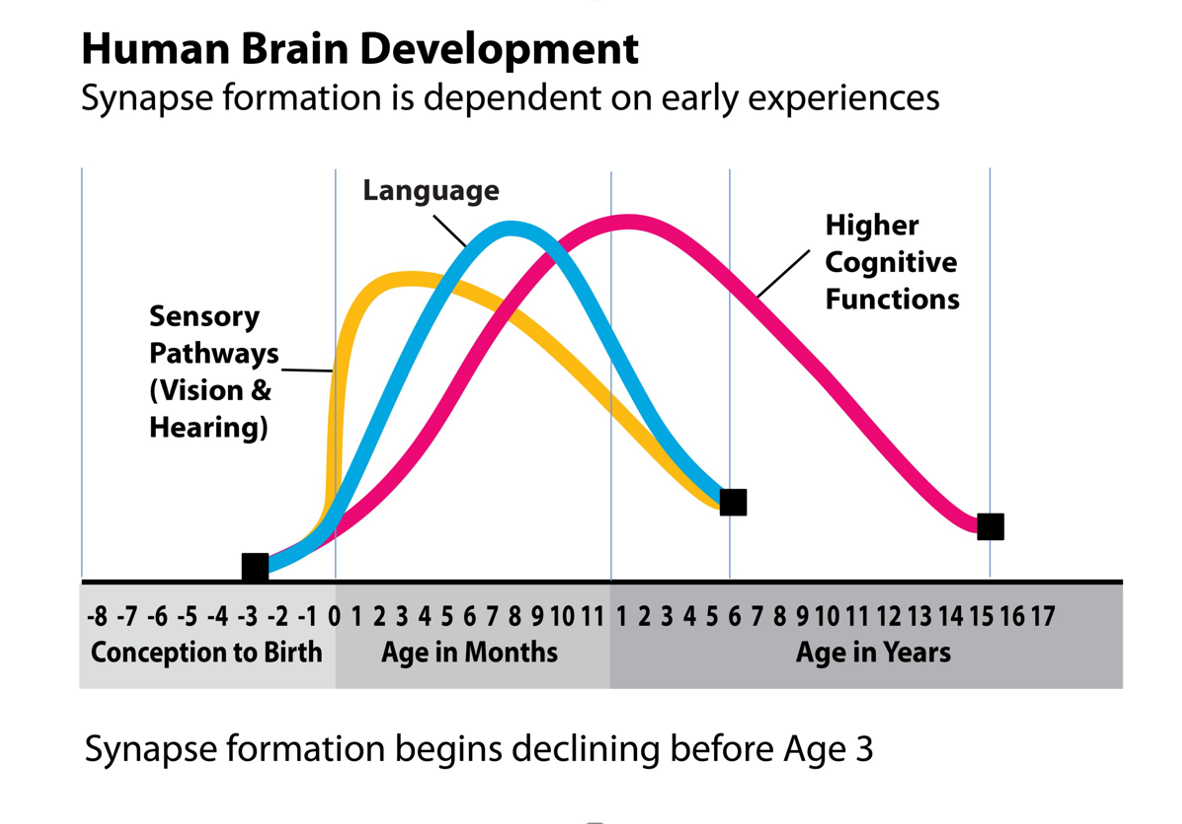
When a baby is born their brain is developing and with every experience, interaction and movement a connection is made in the brain. When the interaction, experience or movement is repeated the connection is strengthened and then built on. These connections are being made at such a rapid rate in the first few years of life. So fast that if the connection is not being used any longer the brain will remove it to make room for new ones. This is called neural pruning.
When your baby or child engages in swimming lessons, especially during critical periods of neurodevelopment, neural connections related to swimming skills are reinforced and retained, while those less pertinent may undergo pruning. Regular exposure to swimming stimuli, such as water resistance, buoyancy, and breath control, prompts the brain to prioritise and refine the neural circuits associated with swimming and aquatic movements.
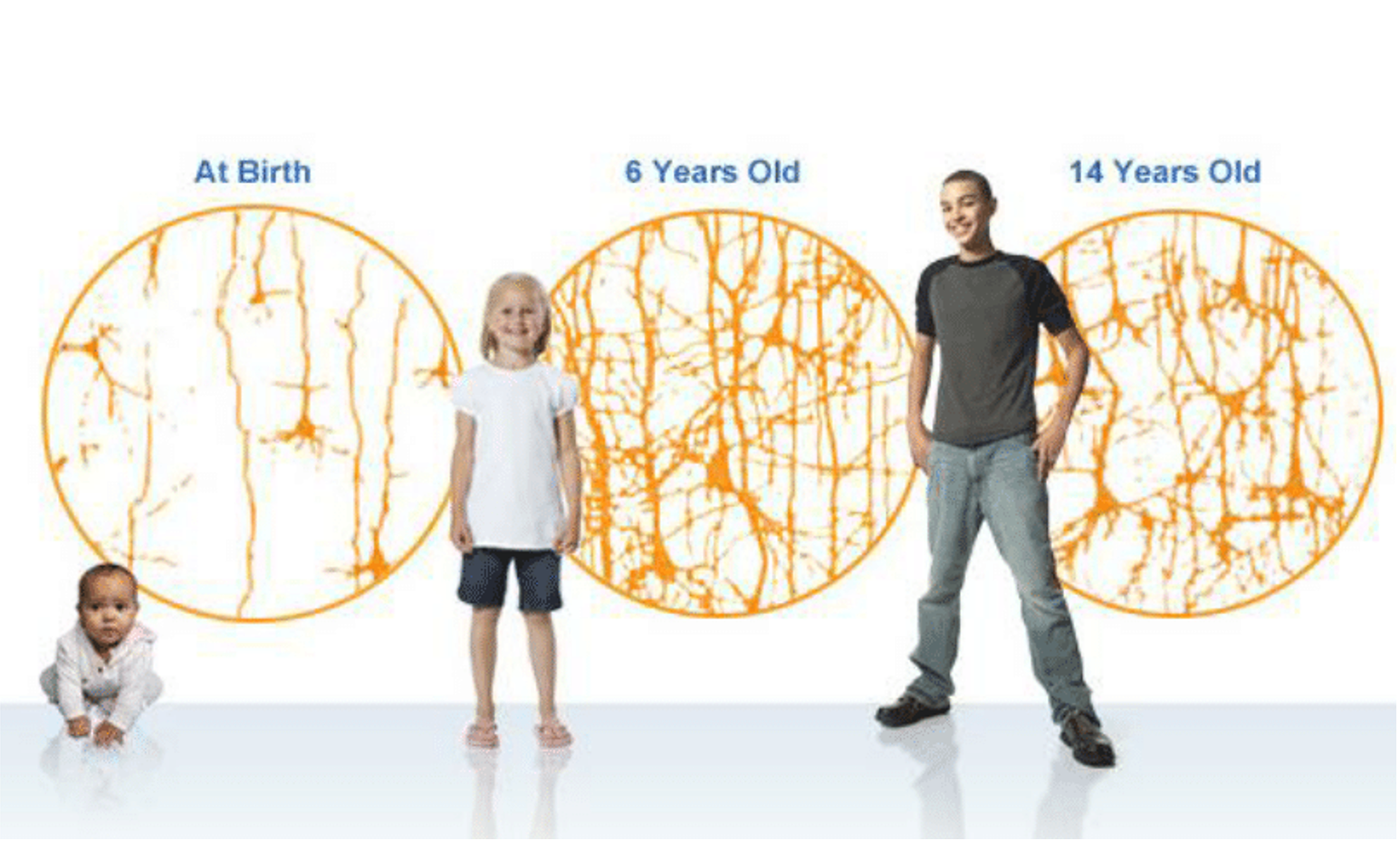
Neural pruning emphasizes the significance of early and continued exposure to swimming instruction. Children who start learning to swim at a young age are likely to develop robust neural pathways dedicated to swimming skills, facilitating faster and more proficient swimming abilities. Conversely, delaying, or sporadic exposure to swimming lessons may result in less efficient neural pathways and slower skill acquisition.
At Aquatots we understand the importance of creating these connections at a young age. We also know to strengthen and retain the connections continuation of practice is required right though until neural pruning slows down. By having continuity until this time you will be setting your child up for life long swimming and fun in the water.
Aquatots = swimming for life