Beyond the Pool: Local Activities That Help Canberra Kids Build Confidence and Coordination
Summary: Swimming builds a strong foundation for confidence and coordination, but children thrive when they experience movement in different ways. From dance and gymnastics to team sports and music, varied activities help Canberra kids develop resilience, focus, and self-belief. When families prioritise consistent, positive movement experiences, children build skills that last far beyond childhood.
At Aquatots, we believe confident kids are built through movement, play, and positive experiences. Swimming is a powerful starting point, but it's not the only place confidence grows.
Children build coordination and self-belief fastest when they move their bodies in different ways. Different environments challenge them differently, and those experiences stack up.
That's why we always encourage families to think beyond the pool. We see swimming lessons as part of a bigger picture, not the whole story. Our role isn't just to teach swimming skills, it's to support your child's overall development.
When kids try a mix of activities, the skills they learn in one place carry over to another. Movement confidence is connected.
Why confidence and coordination matter
Physical confidence affects far more than sport. It shapes how children approach learning, influences how they interact with others, and helps them cope with new or challenging situations.
When kids feel comfortable in their bodies, they're more willing to try. They're less anxious in unfamiliar environments, they can focus better, and they regulate emotions more easily.
Research shows motor skill development is closely linked to self-esteem, especially between ages 7 and 10. Kids who feel capable physically often feel capable everywhere else too.
The years between 3 and 12 are especially important. This is when children build their sense of identity through learning new skills. Every small win matters.
What children gain from swimming
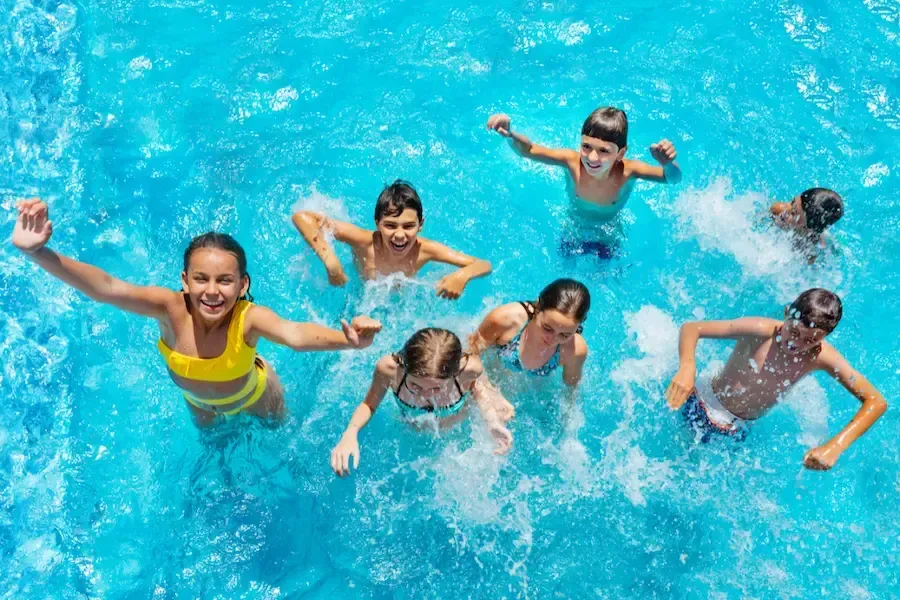
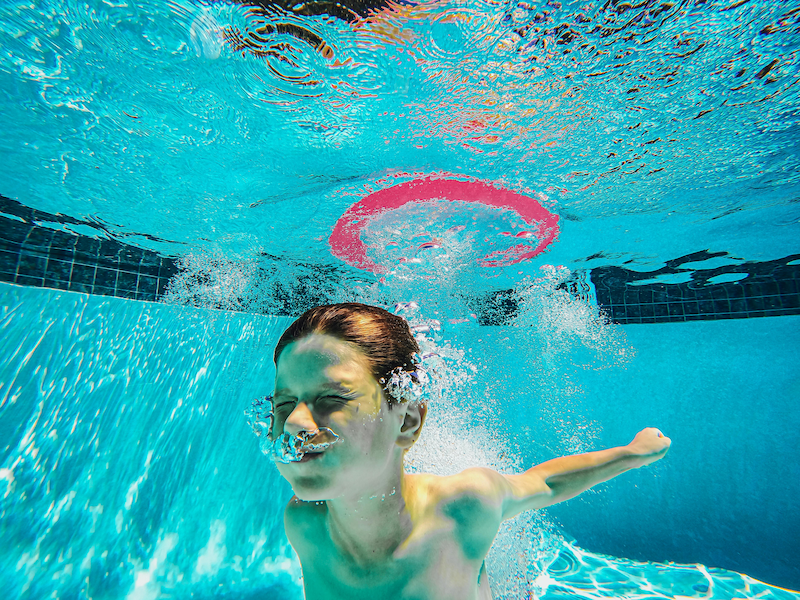
Swimming develops skills that go far beyond water safety. In our swimming programs, children learn breath control, balance, and how to move their bodies with intention.
They build strength without realising it. They develop focus and perseverance as they progress through each level.
A major Griffith University study found children who participated in early swimming lessons were ahead of their peers in several areas, including problem-solving, language, and understanding instructions. They were also ahead in motor skills and social and emotional development.
Swimming also builds trust in their own abilities. That quiet 'I can do this' feeling stays with them.
Why variety matters
As much as we love swimming, kids benefit from moving in different ways. Land-based activities challenge muscles and coordination differently, activate new neural pathways, and keep movement fun and engaging.
Australian guidelines recommend that children try a variety of activities rather than specialising too early. Kids who explore multiple forms of movement are more likely to stay active long-term. They're also less likely to experience overuse injuries or burnout.
Dance as a natural complement to swimming
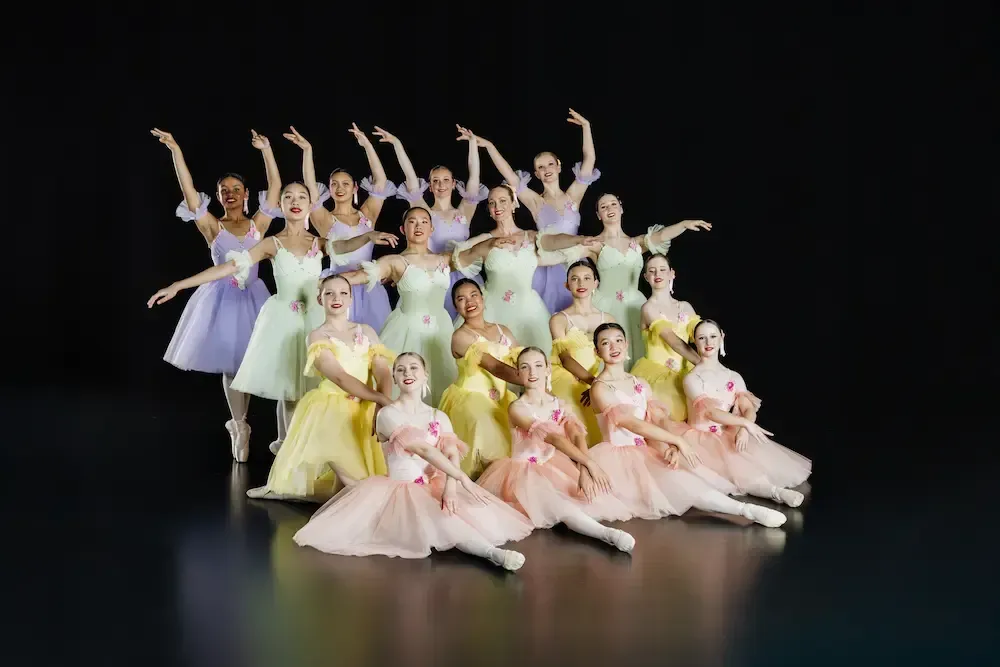
Dance pairs beautifully with swimming. Both focus on body awareness, both build control, balance, and coordination, and both allow children to progress at their own pace.
In dance, kids develop rhythm and timing. They learn to move with purpose and build confidence through expression.
Research shows dance programs can significantly improve self-esteem in children. Other studies show structured dance training improves proprioception, which is body awareness in space.
Many skills learned in the pool translate directly to dance. Balance carries over, bilateral coordination carries over, and breath control carries over.
For many Canberra families, swimming and dance create a great balance. Swimming builds calm confidence and control, while dance adds rhythm, expression, and creativity.
Studios like OnBeat Dance Studios offer structured, supportive classes that complement swimming beautifully. Their progressive teaching approach mirrors what children experience in quality swim programs. For kids ready to explore movement on land, dance can feel like a natural next step.
Other activities worth exploring
Dance isn't the only option. There are other activities that can help kids build confidence.
Gymnastics and movement programs build strength, balance, and spatial awareness. Many Canberra programs focus on fun rather than competition, which suits younger children well.
Team sports help build social confidence. Children learn teamwork, communication, and resilience. Local junior programs in soccer, basketball, and netball offer great entry points.
Martial arts support focus, self-regulation, and body control. Clear progression systems help children stay motivated.
Music lessons support hand-eye coordination and fine motor skills. They also build patience, discipline, and concentration.
The best activity is the one that suits your child. Some kids thrive in group environments, others prefer individual activities. There's no single right path.
Supporting the whole child
Confidence isn't built in one place. It grows through consistent, positive experiences and when children feel safe to try without pressure.
Encourage exploration. Let your child sample different activities, watch what excites them, and focus on enjoyment over performance.
The goal isn't to raise elite athletes. It's to raise children who feel comfortable in their bodies, who believe they can learn new skills, and who carry that confidence into everyday life.
Swimming is a strong foundation, but the journey doesn't end at the pool. When kids experience movement in different ways, they build confidence that lasts well beyond childhood.
Why is it important for children to try different activities?
Different activities challenge the body and brain in unique ways. Exploring a variety of movement experiences helps children build coordination, confidence, and long-term motivation to stay active.
Does swimming alone build enough confidence?
Swimming builds strong foundations in balance, breath control, and resilience.
When paired with other activities, those skills transfer and deepen, supporting broader development.
What age is best to introduce multiple activities?
The years between 3 and 12 are ideal for exploring different types of movement.
At this stage, children build identity and confidence through learning new skills.
How do I know which activity suits my child?
Watch what excites them. Some children thrive in team environments, while others prefer individual activities like swimming, dance, or martial arts.
Can too many activities cause burnout?
Yes. Balance matters. Choose one or two meaningful activities and focus on enjoyment and consistency rather than filling every afternoon.
Frequently asked questions