Building Healthy Routines for Babies: From Sleep to Swim Time
Summary: The early months with a baby rarely feel orderly. Feeds blur into naps, and day and night often swap places. Many parents wonder when life will settle into something they can predict. Thankfully, babies thrive on gentle rhythm, and you can build it slowly. Even a simple, repeated pattern helps your little one feel safe. Better still, it takes pressure off you too.
Why routines help babies feel secure
Babies cannot tell the time. Still, they notice patterns very quickly. When the same things happen in roughly the same order, their world starts to feel safe and knowable. That sense of safety matters for far more than mood. In fact, child development researchers describe a caregiver as a "secure base," the steady presence a baby returns to whenever they feel unsure.
Because predictable care builds trust, it also calms the body. When a baby learns that comfort follows a cry, or that a feed follows waking, their stress eases. Over time, this steady response supports calmer emotions and healthier development. So routine is not about control. Instead, it is about security.
Consistency across sleep, feeding and play
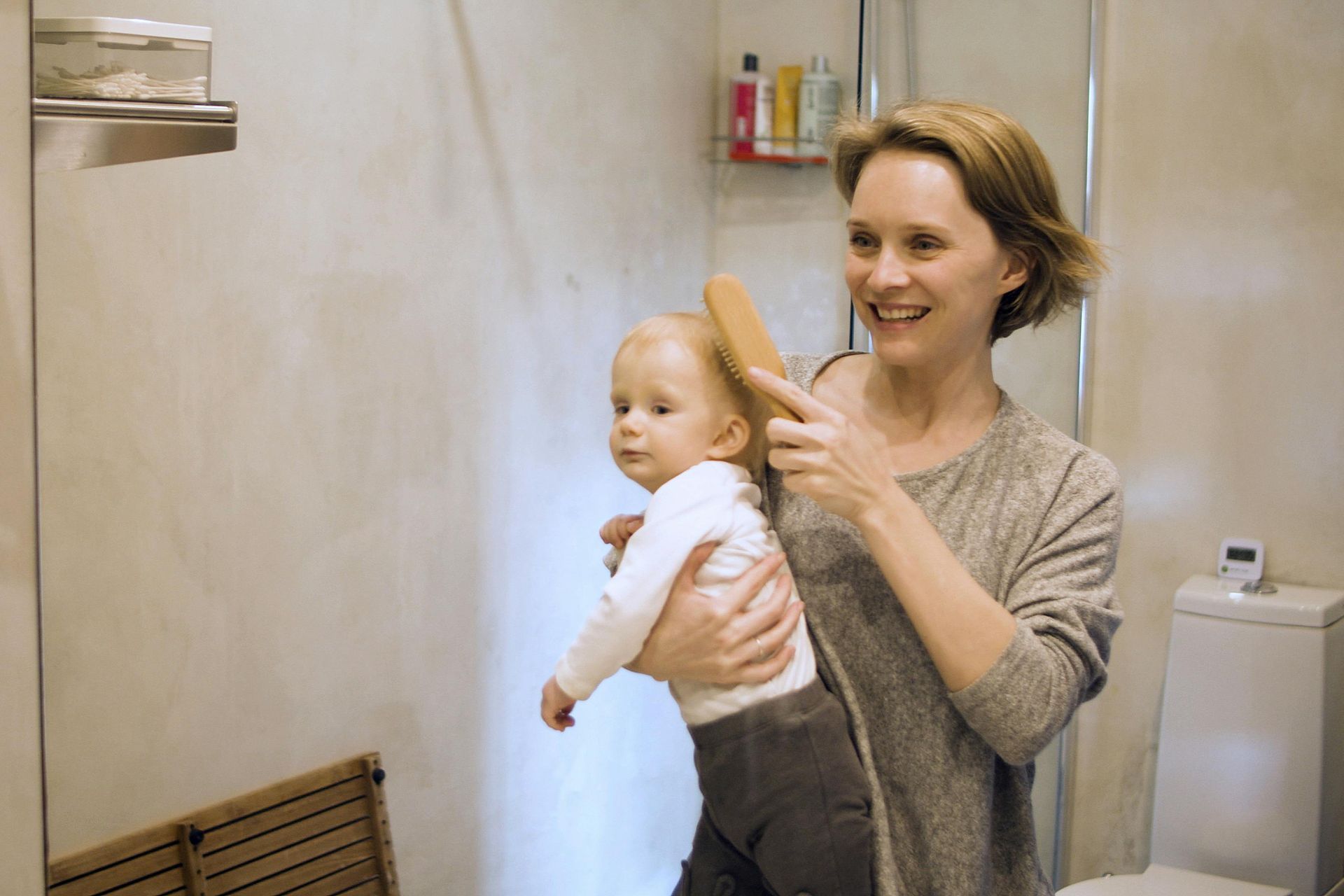
Consistency works best when you keep the sequence the same but let the timing flex. The order stays familiar, even when the clock shifts around.
Sleep is a good place to begin. A short, calm wind-down, such as a bath, a quiet cuddle and a song, signals that sleep is coming. As a result, babies who follow a regular bedtime pattern often settle more easily and wake less. You do not need anything elaborate. You simply need it to repeat.
Feeding feels gentler when you follow your baby rather than a strict schedule. Watch for early hunger cues like rooting, hand-to-mouth movements and soft sounds. Crying, by contrast, is a late sign. Responsive feeding keeps your baby comfortable, and it supports your milk supply if you are breastfeeding. Because tight timetables tend to add stress for young babies, a flexible rhythm usually suits families better.
Daytime play deserves the same light touch. For example, tummy time after a nap or a short walk each afternoon gives the day a shape your baby can lean on.
Where swimming fits into the week
A weekly swim lesson can become one of the most grounding parts of your baby's week. After all, it happens at a set time, in a warm and familiar place, with the same gentle steps each visit. That repetition is exactly what makes a routine soothing.
Warm water is calming for babies. Moreover, it invites movement, supports early coordination and offers close, skin-to-skin time with you. Research has also linked early years swimming to gains in confidence and physical development. For babies under two, though, the goal is always water familiarisation rather than independence. No lesson removes the need for close supervision and proper pool fencing at home.
This is where a thoughtful program matters.
Aquatots welcomes babies from six weeks of age and focuses on emotional readiness and safety, never speed. Because lessons move at your child's pace, swim time feels like a happy weekly anchor rather than another thing to rush.
Swimming also folds neatly into the rest of your rhythm. Ideally, plan it for a window when your baby is well fed and alert, often mid-morning or early afternoon. Many parents then find a feed and a longer nap follow naturally afterwards.
Building routines without the pressure
Routines should make life easier, not harder. So start with just one anchor, like the bedtime wind-down, and add more only when it feels right.
Use your baby's cues as your guide instead of a rigid plan. Expect a few wobbles too. Growth spurts, teething and big developmental leaps will upset even the best rhythm, and that is completely normal. Once the disruption passes, you simply return to the pattern. One messy week will not undo your progress.
It also helps to share the load. When a partner or family member joins in, routines survive the tired days, and your baby builds trust with more than one person.
Above all, be kind to yourself. Striving to be a perfect parent adds pressure that no baby needs. If sleep, feeding or settling ever feels overwhelming, reach out for support early.
The Mother Hub offers warm, practical help for mums and families finding their feet in early parenthood.
A good routine is steady, not perfect. Honestly, one small ritual a day is enough to begin. Best of all, you are giving your baby the comfort of knowing what comes next.